

The Power of Precision: How PE Fitting 45-degree Elbows Ensure Accurate Piping
Sep 17,2024

The Power of Precision: How PE Fitting 45-degree Elbows Ensure Accurate Piping
In the realm of construction and plumbing, precision is paramount. Among the various components that contribute to effective piping systems, **PE fitting 45-degree elbows** stand out due to their unique design and functionality. These fittings play a critical role in ensuring smooth transitions in piping layouts, thereby enhancing overall system performance. This article delves deep into the significance of 45-degree elbows in PE fittings, exploring their design, applications, advantages, and tips for optimal use.
Table of Contents
- Understanding PE Fittings
- The Importance of 45-Degree Elbows in Piping
- Benefits of PE Fitting 45-Degree Elbows
- Applications in Construction and Plumbing
- Installation Tips for PE Fitting 45-Degree Elbows
- Common Issues with PE Fitting Elbows and Their Solutions
- Maintenance and Care for PE Fitting Components
- Conclusion
- FAQs about PE Fitting 45-Degree Elbows
Understanding PE Fittings
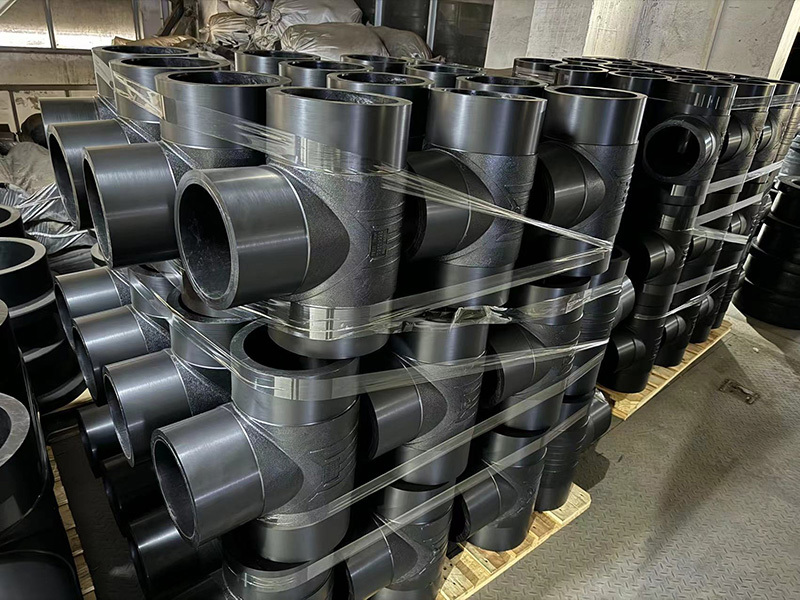
**Polyethylene (PE) fittings** are essential components used in various piping systems, known for their versatility and durability. Made from high-density polyethylene, these fittings provide a reliable connection between pipes, allowing for effective fluid transportation. Their lightweight nature and resistance to corrosion make them ideal for a wide range of applications.
The construction of PE fittings involves advanced manufacturing processes that ensure their strength and reliability. Among these fittings, **45-degree elbows** serve a specific purpose: facilitating a smooth directional change in piping without compromising flow efficiency.
The Importance of 45-Degree Elbows in Piping
When designing a piping system, maintaining a proper flow path is crucial. Traditional 90-degree elbows can create turbulence and pressure drops, leading to inefficiencies. In contrast, 45-degree elbows minimize these issues. By providing a gentler transition, they allow for a smoother flow of liquids or gases, reducing the likelihood of pressure loss.
Moreover, the use of **45-degree elbows** can significantly enhance the overall design of a piping layout. They provide flexibility in routing and can be essential for installations in tight spaces where a standard straight pipe may not be feasible.
Benefits of PE Fitting 45-Degree Elbows
The advantages of utilizing PE fitting 45-degree elbows in your plumbing or construction projects are numerous. Here are some key benefits:
Enhanced Flow Efficiency
One of the primary benefits of 45-degree elbows is their ability to enhance flow efficiency. By reducing turbulence, these fittings allow for a more consistent flow rate, which is particularly important in high-demand systems.
Reduced Pressure Drops
Pressure drops can lead to increased energy consumption and reduced system performance. The gentle angle of 45-degree elbows minimizes these drops, making them a more efficient choice compared to sharper angles.
Durability and Longevity
PE fittings are known for their durability. They can withstand various environmental conditions, including UV exposure and chemical resistance, ensuring that the piping system remains functional for years with minimal maintenance.
Versatility
PE fitting 45-degree elbows are versatile and can be used in various applications, including residential plumbing, irrigation systems, and industrial installations. Their adaptability makes them a go-to choice for engineers and contractors alike.
Cost-Effectiveness
While the initial cost of PE fittings may be higher than some alternatives, their durability and efficiency contribute to long-term savings. Reduced maintenance and energy costs make them a wise investment in the long run.
Applications in Construction and Plumbing
PE fitting 45-degree elbows are widely used in numerous applications:
Residential Plumbing Systems
In home plumbing, 45-degree elbows facilitate smooth transitions in water supply lines, ensuring that water flows freely from source to destination.
Irrigation Systems
In agricultural settings, proper water flow is critical. PE fitting 45-degree elbows help in efficiently routing water through irrigation systems, contributing to effective crop management.
Industrial Applications
Industries that deal with chemicals or gases rely on the durability and efficiency of PE fittings to ensure safe and effective transportation of substances.
Installation Tips for PE Fitting 45-Degree Elbows
Proper installation is crucial to the performance and longevity of PE fitting 45-degree elbows. Here are some essential tips:
Prepare the Piping System
Before installation, ensure that the piping system is clean and free from debris. Any dirt or obstructions can cause leaks or affect the fitting's performance.
Use Appropriate Tools
Utilize specialized tools for cutting and joining PE pipes. These tools help create smooth, even edges, ensuring a tight seal during installation.
Follow Manufacturer Guidelines
Always adhere to the manufacturer's instructions regarding installation techniques and recommended fittings to ensure optimal performance.
Test for Leaks
After installation, conduct a thorough leak test. This step is vital to ensuring that the fittings are installed correctly and that the system functions as intended.
Common Issues with PE Fitting Elbows and Their Solutions
While PE fitting 45-degree elbows are generally reliable, some common issues may arise:
Leaks at Connections
Leaks can occur if the fittings are not installed correctly. Ensure proper alignment and tight connections to prevent this issue. If a leak is detected, re-tighten the fittings or replace them if necessary.
Cracking or Damage
Extreme temperatures can cause polyethylene to become brittle. To mitigate this, ensure that fittings are rated for the specific environmental conditions they will encounter.
Blockages
Blockages can occur due to debris accumulation. Regular maintenance and inspections can help identify and address these issues before they escalate.
Maintenance and Care for PE Fitting Components
To ensure the longevity of your PE fitting 45-degree elbows, consider the following maintenance tips:
Regular Inspections
Conduct routine inspections of your piping systems, checking for signs of wear and tear, cracks, or leaks. Early detection can prevent costly repairs.
Cleaning
Keep the fittings clean and free of debris. For stubborn deposits, use appropriate cleaning agents that do not corrode polyethylene.
Temperature Management
Monitor the temperature around the fittings. Extreme heat or cold can affect the integrity of the materials. Take precautions to insulate or shelter fittings as necessary.
Conclusion
In conclusion, the **PE fitting 45-degree elbows** are indispensable components in modern piping systems, offering a blend of efficiency, durability, and versatility. Their ability to facilitate smooth transitions in piping layouts enhances flow efficiency and reduces pressure drops, ultimately contributing to the overall effectiveness of plumbing and construction projects. By understanding their benefits, applications, and maintenance practices, professionals can maximize the performance of their piping systems and ensure long-lasting results. Investing in high-quality PE fittings can make a significant difference in the functionality and reliability of any construction project.
FAQs about PE Fitting 45-Degree Elbows
1. What are PE fitting 45-degree elbows made of?
PE fitting 45-degree elbows are primarily made of high-density polyethylene, which offers excellent durability and chemical resistance.
2. Where are PE fitting 45-degree elbows commonly used?
These fittings are commonly used in residential plumbing, irrigation systems, and various industrial applications.
3. Can I use PE fitting 45-degree elbows in high-temperature environments?
While PE fittings are designed for durability, extreme temperatures can affect their integrity. It’s essential to check the manufacturer’s specifications for temperature ratings.
4. How do I ensure a leak-free installation of PE fitting 45-degree elbows?
To ensure a leak-free installation, make sure the fittings are properly aligned, tightened, and tested for leaks after installation.
5. What are the signs of wear that I should look for in PE fittings?
Signs of wear include cracks, discoloration, leaks, and reduced flow efficiency. Regular inspections can help identify these issues early.
PREVIOUS:
Contact Us
E-mail:
gjl@jydjsy.com
Mr.Gu (Tel):
86-18961696788 / 86-510-86378220
Tel:
86-510-86370651 / 86-510-86371315

Phone/WhatsApp:
Email:
Our high-quality production benefits from rich production experience and careful selection of raw materials.
HUATAO GROUP
Leave Message