

Understanding PE Fittings: Essential Components in Building and Decoration
Sep 12,2024

In the realm of building and decoration materials, PE fittings, or polyethylene fittings, play a pivotal role in ensuring the effective functioning of various systems. These fittings, commonly used in plumbing, drainage, and irrigation applications, are renowned for their durability, resistance to corrosion, and flexibility. Understanding PE fittings is essential for professionals in the construction and decoration industry, as they contribute significantly to the reliability and longevity of various infrastructural components.
One of the key advantages of PE fittings is their lightweight nature, which makes them easy to handle and install. Unlike traditional metal fittings, polyethylene fittings do not rust or corrode, making them ideal for both residential and industrial applications. Their chemical resistance allows them to withstand exposure to a variety of substances without deteriorating, further extending their lifespan. This feature is particularly beneficial in environments where chemical exposure is a concern, such as in agricultural irrigation systems.
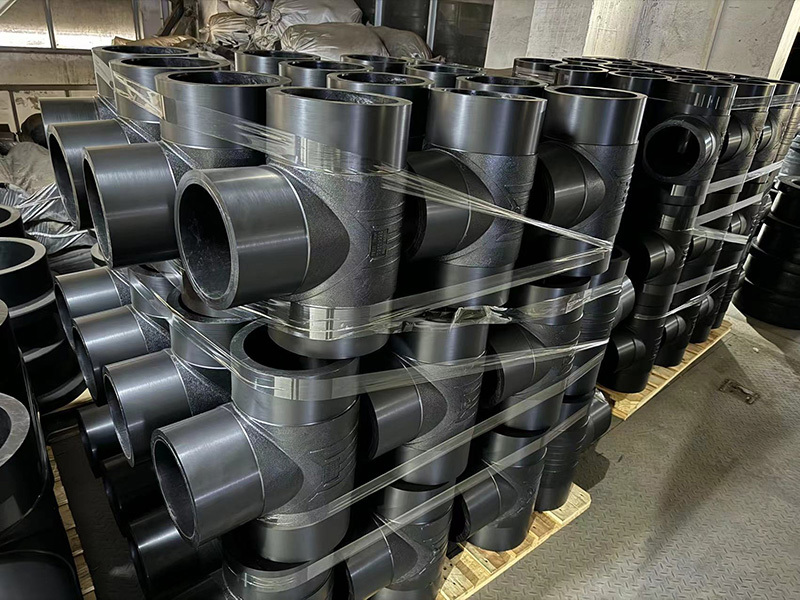
PE fittings come in various shapes and sizes, with common configurations including elbows, tees, and reducers. Each type serves a specific purpose, allowing for the efficient direction and management of fluid flow. For instance, a three-way or “tee” fitting is essential for branching pipe work, while a four-way fitting can be utilized for more complex routing needs. Selecting the appropriate fitting is crucial for ensuring smooth and uninterrupted fluid movement, which is a fundamental aspect of plumbing and irrigation systems.
When it comes to installation, PE fittings typically employ a method known as butt fusion or electrofusion. These techniques create a strong, permanent bond between the fittings and the pipes, ensuring leak-free connections. Professionals should be trained in these methods to guarantee the integrity of the system. Additionally, proper planning and design are vital to avoid potential issues during installation, such as misalignment or inadequate support.
In conclusion, PE fittings are an integral component of modern building and decoration materials. Their unique characteristics, such as resistance to corrosion and chemical stability, make them a preferred choice for many applications. By understanding the various types and installation techniques of PE fittings, professionals in the construction industry can enhance the functionality and durability of their projects. It is crucial to remain informed about best practices and advancements in this field, as they can significantly influence the success of any construction or decoration endeavor.
One of the key advantages of PE fittings is their lightweight nature, which makes them easy to handle and install. Unlike traditional metal fittings, polyethylene fittings do not rust or corrode, making them ideal for both residential and industrial applications. Their chemical resistance allows them to withstand exposure to a variety of substances without deteriorating, further extending their lifespan. This feature is particularly beneficial in environments where chemical exposure is a concern, such as in agricultural irrigation systems.
PE fittings come in various shapes and sizes, with common configurations including elbows, tees, and reducers. Each type serves a specific purpose, allowing for the efficient direction and management of fluid flow. For instance, a three-way or “tee” fitting is essential for branching pipe work, while a four-way fitting can be utilized for more complex routing needs. Selecting the appropriate fitting is crucial for ensuring smooth and uninterrupted fluid movement, which is a fundamental aspect of plumbing and irrigation systems.
When it comes to installation, PE fittings typically employ a method known as butt fusion or electrofusion. These techniques create a strong, permanent bond between the fittings and the pipes, ensuring leak-free connections. Professionals should be trained in these methods to guarantee the integrity of the system. Additionally, proper planning and design are vital to avoid potential issues during installation, such as misalignment or inadequate support.
In conclusion, PE fittings are an integral component of modern building and decoration materials. Their unique characteristics, such as resistance to corrosion and chemical stability, make them a preferred choice for many applications. By understanding the various types and installation techniques of PE fittings, professionals in the construction industry can enhance the functionality and durability of their projects. It is crucial to remain informed about best practices and advancements in this field, as they can significantly influence the success of any construction or decoration endeavor.
Contact Us
E-mail:
gjl@jydjsy.com
Mr.Gu (Tel):
86-18961696788 / 86-510-86378220
Tel:
86-510-86370651 / 86-510-86371315

Phone/WhatsApp:
Email:
Our high-quality production benefits from rich production experience and careful selection of raw materials.
HUATAO GROUP
Leave Message