

Understanding PE Fittings: A Comprehensive Guide for Professionals in Construction and Decoration
Dec 21,2024

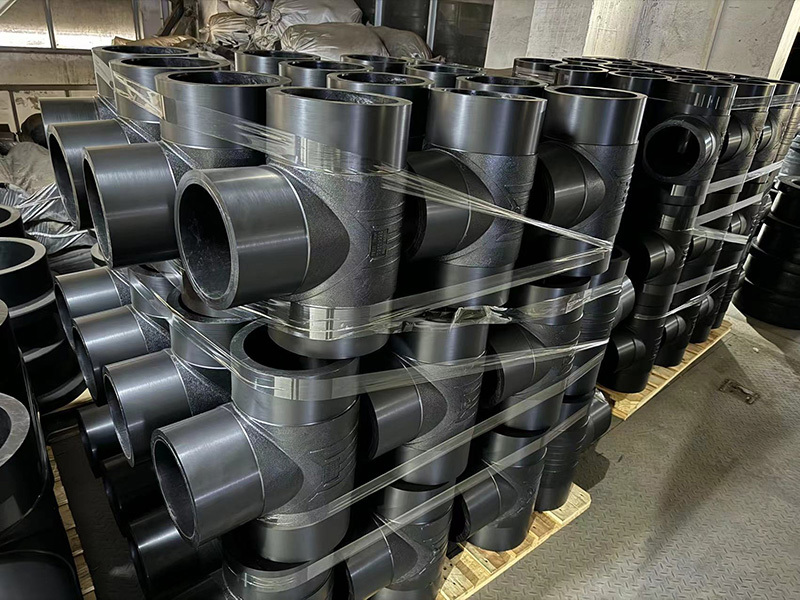
Polyethylene (PE) fittings are integral components in the construction and decoration materials industry, particularly when it comes to pipe systems. These fittings, which include tees and crosses, play a crucial role in directing, controlling, and redirecting the flow of materials in various applications. Understanding the properties and advantages of PE fittings can significantly benefit professionals involved in planning and executing construction projects.
One of the key advantages of PE fittings is their exceptional resistance to corrosion and chemical degradation. Unlike traditional metal fittings, polyethylene does not rust or corrode, making it an ideal choice for environments where exposure to harsh chemicals or moisture is a concern. This characteristic not only extends the lifespan of the fittings but also ensures the integrity of the piping system over time.
Another notable feature of PE fittings is their lightweight nature. This property simplifies transportation and installation, reducing labor costs and time required for assembly. Professionals in the field can appreciate the ease of handling these fittings, leading to more efficient project timelines. Moreover, the flexibility of PE allows for easy manipulation and connection, making it suitable for a variety of applications, including water supply, sewage systems, and gas distribution.
When selecting PE fittings, it is essential to consider the specific requirements of your project. Factors such as pressure ratings, temperature resistance, and compatibility with other materials should be taken into account. For instance, while PE fittings are robust in many scenarios, they may not be suitable for high-temperature applications. Professionals should always consult technical data sheets and guidelines to ensure optimal performance.
Installation practices are equally important when working with PE fittings. Proper techniques, such as using appropriate joining methods (e.g., fusion welding or mechanical fittings), can enhance the reliability and durability of the connections. It’s advisable to train personnel on best practices to prevent potential issues during installation. An adequately installed system not only functions effectively but also minimizes the likelihood of costly repairs in the future.
In conclusion, understanding PE fittings is essential for professionals in the construction and decoration materials sector. Their resistance to corrosion, lightweight nature, and flexibility make them a preferred choice for various applications, particularly in the context of tees and crosses. By considering specific project requirements and adhering to best installation practices, professionals can leverage the advantages of PE fittings to ensure successful project outcomes.
One of the key advantages of PE fittings is their exceptional resistance to corrosion and chemical degradation. Unlike traditional metal fittings, polyethylene does not rust or corrode, making it an ideal choice for environments where exposure to harsh chemicals or moisture is a concern. This characteristic not only extends the lifespan of the fittings but also ensures the integrity of the piping system over time.
Another notable feature of PE fittings is their lightweight nature. This property simplifies transportation and installation, reducing labor costs and time required for assembly. Professionals in the field can appreciate the ease of handling these fittings, leading to more efficient project timelines. Moreover, the flexibility of PE allows for easy manipulation and connection, making it suitable for a variety of applications, including water supply, sewage systems, and gas distribution.
When selecting PE fittings, it is essential to consider the specific requirements of your project. Factors such as pressure ratings, temperature resistance, and compatibility with other materials should be taken into account. For instance, while PE fittings are robust in many scenarios, they may not be suitable for high-temperature applications. Professionals should always consult technical data sheets and guidelines to ensure optimal performance.
Installation practices are equally important when working with PE fittings. Proper techniques, such as using appropriate joining methods (e.g., fusion welding or mechanical fittings), can enhance the reliability and durability of the connections. It’s advisable to train personnel on best practices to prevent potential issues during installation. An adequately installed system not only functions effectively but also minimizes the likelihood of costly repairs in the future.
In conclusion, understanding PE fittings is essential for professionals in the construction and decoration materials sector. Their resistance to corrosion, lightweight nature, and flexibility make them a preferred choice for various applications, particularly in the context of tees and crosses. By considering specific project requirements and adhering to best installation practices, professionals can leverage the advantages of PE fittings to ensure successful project outcomes.
Contact Us
E-mail:
gjl@jydjsy.com
Mr.Gu (Tel):
86-18961696788 / 86-510-86378220
Tel:
86-510-86370651 / 86-510-86371315

Phone/WhatsApp:
Email:
Our high-quality production benefits from rich production experience and careful selection of raw materials.
HUATAO GROUP
Leave Message