

The Ultimate Comparison: PE Fitting Wye vs. Standard Tee in Piping Applications
Dec 06,2024

The Ultimate Comparison: PE Fitting Wye vs. Standard Tee in Piping Applications
Table of Contents
- Introduction: Understanding Piping Components
- What is a PE Fitting Wye?
- What is a Standard Tee?
- Design and Structure: Wye vs. Tee
- Flow Dynamics: How Each Component Affects Piping Efficiency
- Material Differences: PE Fittings vs. Traditional Materials
- Installation Techniques: Best Practices for Wyes and Tees
- Cost Analysis: Wye vs. Tee in Budgeting
- Applications: When to Use Wyes or Tees
- Conclusion: Choosing the Right Fitting for Your Needs
- Frequently Asked Questions
Introduction: Understanding Piping Components
In the realm of **piping systems**, the choice of fittings can significantly influence the overall performance and efficiency of a project. Among the most widely used fittings are the **PE fitting wye** and the **standard tee**. Both serve the fundamental purpose of connecting pipes, yet they differ in design, application, and functional characteristics. Understanding these differences is crucial for engineers, contractors, and anyone involved in piping design and installation.
In this article, we will delve into the nuances of each fitting, exploring their design, functionality, and best applications to empower you with the knowledge necessary for making informed decisions.
What is a PE Fitting Wye?
A **PE fitting wye**, often referred to simply as a "wye," is a piping component that facilitates the connection of three pipe sections, forming a Y-shape. This design allows for a more gradual flow transition between the incoming and outgoing pipes, minimizing turbulence and potential flow disruptions.
Typically made from **polyethylene** (PE), wyes are favored in various applications, particularly in outdoor and underground settings due to their durability and resistance to corrosion. This makes them ideal for systems that transport water, chemicals, or other fluids.
What is a Standard Tee?
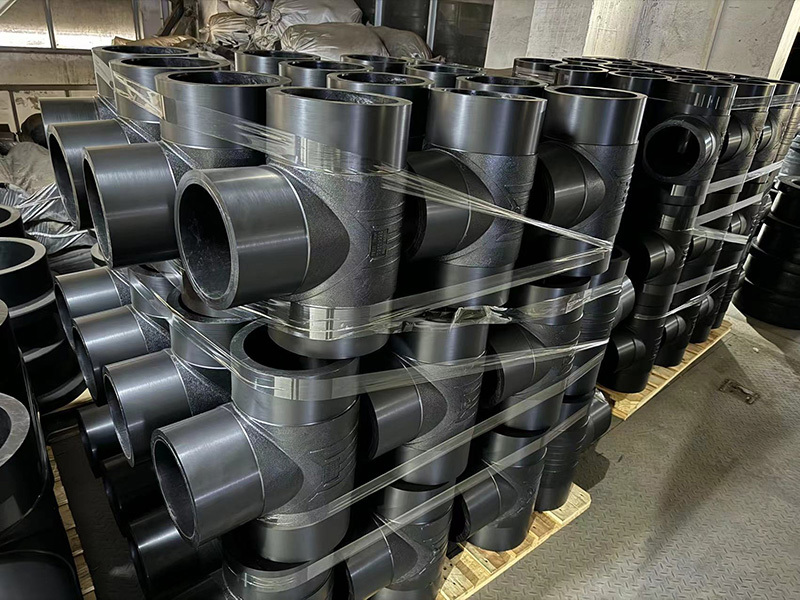
The **standard tee** is another essential fitting in piping applications, characterized by its T-shaped structure. It connects three pipes: one inlet and two outlets, allowing for a straight flow diversion from the main line.
Tees are commonly crafted from materials like PVC, copper, or stainless steel, making them versatile for various systems, including plumbing and industrial applications. Their design can lead to more significant flow disruptions when compared to wyes, especially in high-velocity systems.
Design and Structure: Wye vs. Tee
When comparing the design and structure of wyes and tees, the differences become evident.
Wye Design
- **Gradual Flow Transition**: The wye's angled connections facilitate a smoother flow, which is crucial in reducing pressure drops within the system.
- **Reduced Turbulence**: The design minimizes turbulence, which can lead to wear and tear on the piping system.
- **Versatile Angles**: Wyes can connect pipes at various angles, often 45 degrees, which aids in directional changes without the need for additional fittings.
Tee Design
- **Straight Line Flow**: Tees create a more abrupt change in flow direction, which can lead to higher turbulence.
- **Standard Angles**: Typically, tees have fixed angles (90 degrees), which may necessitate additional fittings for certain layouts.
- **Higher Pressure Drop**: The abrupt transitions can result in increased pressure drops, potentially affecting system efficiency.
Flow Dynamics: How Each Component Affects Piping Efficiency
Understanding the flow dynamics is essential in choosing between wyes and tees.
Wye Flow Dynamics
- **Enhanced Flow Efficiency**: The gradual angle allows fluids to flow more efficiently, which is particularly beneficial in large-diameter pipelines.
- **Better Pressure Management**: Wyes help maintain consistent pressure levels throughout the piping system, reducing the risk of pipe bursts or leaks.
Tee Flow Dynamics
- **Increased Turbulence**: The sharper angle can lead to higher turbulence, which may necessitate larger pumps or more energy consumption to maintain flow rates.
- **Potential for Erosion**: The turbulence created can accelerate erosion in the pipe, especially if transporting abrasive materials.
Material Differences: PE Fittings vs. Traditional Materials
The materials used for wyes and tees can significantly affect their performance and durability.
PE Fittings
- **Corrosion Resistance**: PE fittings are highly resistant to corrosion, making them ideal for applications involving aggressive fluids or outdoor installations.
- **Lightweight**: PE's lightweight nature simplifies handling and installation, reducing labor costs.
- **Flexibility**: The flexibility of PE allows for minor adjustments during installation without compromising the integrity of the fittings.
Traditional Materials
- **Durability Variability**: While materials like PVC and stainless steel offer durability, they can also be susceptible to corrosion and degradation over time.
- **Weight Considerations**: Heavier materials can complicate installation and increase transportation costs.
Installation Techniques: Best Practices for Wyes and Tees
Proper installation is vital for ensuring long-term performance and reliability of piping systems.
Best Practices for Wye Installation
- **Proper Alignment**: Ensure that the wye is installed at the correct angle to achieve optimum flow.
- **Secure Fittings**: Use appropriate clamps or adhesives to secure the fittings, preventing movement or leaks.
- **Inspection**: Regularly inspect the installation for any signs of wear or misalignment.
Best Practices for Tee Installation
- **Strategic Placement**: Plan the layout carefully to minimize the distance between the tee and other fittings, reducing the potential for pressure drops.
- **Use of Valves**: Incorporating valves can help manage flow and allow for easier maintenance of the system.
- **Sealing**: Ensure all connections are sealed adequately, using appropriate sealants or gaskets to prevent leaks.
Cost Analysis: Wye vs. Tee in Budgeting
When considering the overall cost of a piping project, both the initial material costs and long-term maintenance expenses must be evaluated.
Initial Costs
- **Wyes**: While PE wyes may have a higher upfront cost due to materials and manufacturing processes, their longevity can offset these expenses.
- **Tees**: Standard tees can be less expensive initially, especially in smaller diameters, but their potential for higher maintenance costs may lead to more significant expenditures over time.
Long-Term Costs
- **Wyes**: The durability and efficiency of wyes can lead to lower operational costs, thanks to reduced energy consumption and fewer replacements.
- **Tees**: Higher maintenance and potential for replacement can increase costs significantly, particularly in systems with high flow rates.
Applications: When to Use Wyes or Tees
Choosing the right fitting depends on the specific requirements of the application.
Ideal Applications for Wyes
- **Sewage and Drainage Systems**: Wyes are often preferred for sewer applications due to their ability to handle fluctuating flow rates smoothly.
- **Irrigation Systems**: The reduced turbulence makes wyes suitable for irrigation networks where pressure consistency is essential.
Ideal Applications for Tees
- **Residential Plumbing**: Tees are commonly used in residential settings for straightforward pipe connections.
- **Industrial Applications**: In certain industrial settings where space is limited, standard tees may be the preferred choice despite the potential for increased turbulence.
Conclusion: Choosing the Right Fitting for Your Needs
In summary, both **PE fitting wyes** and **standard tees** have unique advantages and applications in piping systems. The choice between them should be guided by factors such as flow requirements, material considerations, and project budgets.
By understanding the differences in design, flow dynamics, material properties, installation techniques, and applications, we are better equipped to make informed decisions that optimize system performance, reduce costs, and enhance longevity. Careful planning and selection of the right fitting can lead to more efficient piping systems that stand the test of time.
Frequently Asked Questions
1. What is the primary difference between a wye and a tee in piping?
The primary difference lies in their design; a wye has a Y-shape allowing for smoother flow transitions, while a tee has a T-shape, creating sharper flow changes.
2. In which applications are wyes typically preferred over tees?
Wyes are preferred in applications where a gradual flow transition is essential, such as sewage and irrigation systems.
3. Are PE fittings more durable than traditional materials like PVC or copper?
Yes, PE fittings are highly resistant to corrosion and can provide superior durability in specific applications compared to traditional materials.
4. How does installation differ between wyes and tees?
Installation techniques for both fittings involve securing the fittings properly, but wyes may require more attention to alignment for optimal flow.
5. Which fitting is more cost-effective in the long run?
While tees may have lower initial costs, wyes tend to offer better long-term value due to their efficiency and durability, potentially leading to lower maintenance expenses.
Contact Us
E-mail:
gjl@jydjsy.com
Mr.Gu (Tel):
86-18961696788 / 86-510-86378220
Tel:
86-510-86370651 / 86-510-86371315

Phone/WhatsApp:
Email:
Our high-quality production benefits from rich production experience and careful selection of raw materials.
HUATAO GROUP
Leave Message