

Maximizing Efficiency with Four-Way Pipe Fittings: What You Need to Know
Nov 26,2024

Maximizing Efficiency with Four-Way Pipe Fittings: What You Need to Know
Table of Contents
- Introduction to Four-Way Pipe Fittings
- Understanding Four-Way Pipe Fittings
- Benefits of Four-Way Pipe Fittings
- Varieties of Four-Way Pipe Fittings
- Applications of Four-Way Pipe Fittings
- Installation and Maintenance Tips
- Troubleshooting Common Issues
- Frequently Asked Questions
- Conclusion
Introduction to Four-Way Pipe Fittings
Four-way pipe fittings play a crucial role in the construction and plumbing industries. They allow for versatility in piping systems, enabling the flow of fluids from multiple directions. Understanding the functionality and applications of four-way fittings can significantly maximize efficiency in your projects.
In this article, we will delve into various aspects of four-way pipe fittings, from their benefits to installation tips. Whether you are a seasoned professional or just starting in the industry, this guide offers valuable insights to enhance your understanding and usage of four-way fittings.
Understanding Four-Way Pipe Fittings
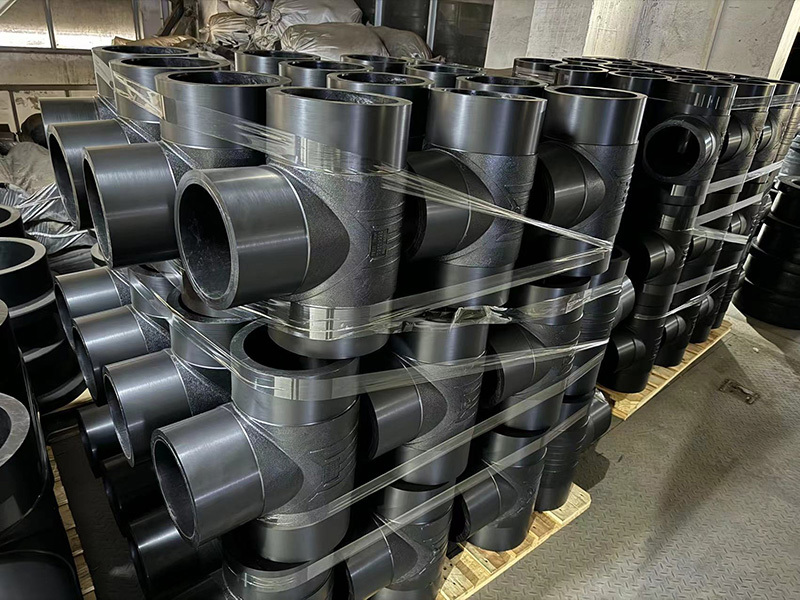
Four-way pipe fittings, also known as four-way crosses, are designed to connect four pipes at right angles. Unlike traditional tees that connect three pipes, four-way fittings allow for more complex configurations, facilitating fluid movement in multiple directions.
These fittings are commonly used in water distribution systems, HVAC applications, and various plumbing setups. Their ability to split or combine flows makes them essential for creating efficient and effective piping networks.
Benefits of Four-Way Pipe Fittings
Utilizing four-way pipe fittings presents numerous advantages that can significantly enhance project efficiency:
1. Increased Flow Directionality
Four-way fittings allow for seamless fluid flow from multiple directions, optimizing the distribution of liquids or gases in a system.
2. Space Efficiency
By utilizing a single fitting to connect four pipes, you reduce the number of joints and fittings required, saving both space and materials.
3. Cost-Effectiveness
Although the upfront cost of four-way fittings may be higher than traditional fittings, their efficiency can lead to reduced installation time and lower long-term maintenance costs.
4. Improved System Flexibility
Four-way fittings provide flexibility in designing complex piping networks, making them ideal for systems that require multiple connections.
Varieties of Four-Way Pipe Fittings
Four-way pipe fittings come in various types, each suited for different applications. Understanding these varieties can help you select the right fitting for your needs.
Materials Used in Four-Way Pipe Fittings
Four-way pipe fittings are commonly manufactured from various materials, including:
- **PVC (Polyvinyl Chloride)**: Lightweight, durable, and resistant to corrosion, PVC is ideal for water applications.
- **CPVC (Chlorinated Polyvinyl Chloride)**: Suitable for hot water applications, CPVC fittings can withstand higher temperatures.
- **Metal**: Brass and stainless steel fittings are robust and corrosion-resistant, making them suitable for both plumbing and industrial applications.
Sizes and Dimensions of Four-Way Pipe Fittings
Four-way pipe fittings are available in a range of sizes and dimensions to accommodate different pipe diameters. Selection depends on the specific requirements of your project. Standard sizes often range from ½ inch to several inches in diameter.
Applications of Four-Way Pipe Fittings
Four-way pipe fittings are versatile and can be utilized in various applications, including:
1. Water Distribution Systems
In residential and commercial plumbing, four-way fittings play a pivotal role in ensuring efficient water flow to different areas.
2. HVAC Systems
Heating, ventilation, and air conditioning systems often require complex piping configurations, where four-way fittings facilitate optimal airflow.
3. Industrial Applications
In factories and plants, these fittings are used for the distribution of liquids and gases, contributing to streamlined operations.
Installation and Maintenance Tips
Proper installation and maintenance of four-way pipe fittings are essential for ensuring long-term functionality and efficiency. Here are some best practices:
1. Follow Manufacturer Guidelines
Always refer to the manufacturer’s instructions for installation, as each fitting may have specific requirements.
2. Use the Right Tools
Employ the correct tools for cutting and fitting pipes to ensure a secure connection and avoid leaks.
3. Regular Inspections
Conduct regular inspections of your piping system to identify any signs of wear, corrosion, or leaks in the fittings.
Troubleshooting Common Issues
Despite their efficiency, four-way pipe fittings can present some common issues. Here’s how to troubleshoot them:
1. Leaks
If you notice leaks, check the fittings for proper sealing. Tightening connections and using appropriate sealants can resolve minor leaks.
2. Blockages
Blockages in the piping system can hinder fluid flow. Regular maintenance and cleaning can help prevent buildup in the fittings.
3. Misalignment
Misaligned fittings can lead to pressure drops and inefficiencies. Ensure that all pipe connections are aligned correctly during installation.
Frequently Asked Questions
1. What is a four-way pipe fitting used for?
Four-way pipe fittings are used to connect four pipes, allowing for fluid flow in multiple directions, commonly used in plumbing and HVAC systems.
2. Are four-way fittings available in different materials?
Yes, they are available in various materials, including PVC, CPVC, brass, and stainless steel, catering to different application needs.
3. How do I install a four-way pipe fitting?
Installation involves cutting the pipes to length, ensuring proper alignment, and securing the fitting using appropriate methods such as solvent welding or threading.
4. Can I use four-way fittings in high-temperature applications?
It depends on the material. CPVC fittings can withstand higher temperatures, making them suitable for hot water applications.
5. What maintenance is required for four-way pipe fittings?
Regular inspections for leaks, corrosion, and blockages, along with timely repairs, are essential for maintaining the integrity of four-way fittings.
Conclusion
In conclusion, four-way pipe fittings are invaluable components in modern plumbing and construction projects. Their ability to facilitate fluid flow from multiple directions can enhance efficiency, flexibility, and cost-effectiveness. By understanding the various types, benefits, and applications of these fittings, as well as following proper installation and maintenance practices, we can maximize the potential of our piping systems. Whether for residential use or industrial applications, mastering the use of four-way pipe fittings is crucial for anyone looking to ensure optimal performance in their projects.
Contact Us
E-mail:
gjl@jydjsy.com
Mr.Gu (Tel):
86-18961696788 / 86-510-86378220
Tel:
86-510-86370651 / 86-510-86371315

Phone/WhatsApp:
Email:
Our high-quality production benefits from rich production experience and careful selection of raw materials.
HUATAO GROUP
Leave Message