

Maximizing Space and Functionality with PE Fitting Equal Tees: The Complete Guide
Oct 27,2024

Maximizing Space and Functionality with PE Fitting Equal Tees
Introduction: Understanding PE Fitting Equal Tees
In the ever-evolving world of construction and plumbing, the importance of choosing the right components cannot be overstated. **PE fitting equal tees** play a critical role in maximizing both space and functionality. These fittings serve as essential connectors in piping systems, allowing for efficient fluid distribution. Understanding their characteristics and applications can profoundly affect project outcomes, making them a preferred choice for many engineers and contractors.
What Are PE Fitting Equal Tees?
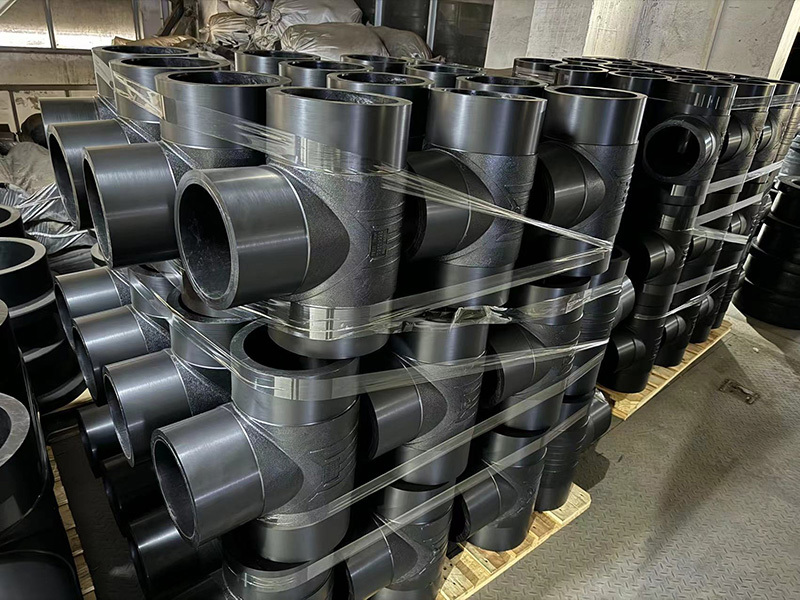
Polyethylene (PE) fitting equal tees are specialized connectors that allow for a seamless junction between three pipes, forming a ‘T’ shape. Made from durable and lightweight polyethylene, these fittings are designed to manage the flow of water and other fluids in various applications, including agriculture, construction, and plumbing. Their distinctive structure provides equal flow distribution, making them ideal for both residential and commercial projects.
The Composition of PE Fitting Equal Tees
PE fittings are crafted from high-density polyethylene, which boasts a range of beneficial properties:
- **Durability**: Resistant to corrosion, chemicals, and environmental stress.
- **Lightweight**: Easy to handle and transport.
- **Flexibility**: Can withstand varying pressure levels without cracking.
- **Cost-Effective**: Offers a lower total cost compared to metal fittings.
Benefits of Using PE Fitting Equal Tees
The advantages of using PE fitting equal tees are extensive. Here are some key benefits:
1. **Enhanced Flow Efficiency**: The design allows for smooth fluid transitions, reducing turbulence and improving overall system efficiency.
2. **Space Optimization**: Equal tees can be strategically placed to maximize available space, particularly in tight installations.
3. **Reduced Maintenance**: Their resistance to corrosion and wear minimizes the need for frequent replacements, leading to lower maintenance costs.
4. **Environmentally Friendly**: PE fittings are often recyclable, contributing to sustainable construction practices.
Applications of PE Fitting Equal Tees
Understanding where to apply PE fitting equal tees can lead to better project execution. Here are some common applications:
1. Plumbing Systems
In residential and commercial plumbing, these fittings are used to connect horizontal and vertical lines, ensuring efficient water flow. They are especially useful in complex plumbing layouts where space is limited.
2. Irrigation Systems
In agricultural settings, PE equal tees are critical for irrigation systems. They help distribute water evenly across various crops, ensuring optimal growth while conserving water.
3. Industrial Applications
In industrial environments, these fittings are essential for transporting chemicals and other fluids. Their resistance to corrosion makes them ideal for handling various substances safely.
4. Drainage Systems
PE equal tees are also effective in drainage systems, allowing for effective management of wastewater and stormwater without compromising system functionality.
Installation Guidelines for PE Fitting Equal Tees
Proper installation of PE fitting equal tees is crucial for ensuring system efficiency. Here’s a step-by-step guide:
Step 1: Gather Necessary Tools
Before beginning, ensure you have the following tools:
- Pipe cutter
- Deburring tool
- Wrench
- Measuring tape
- Safety goggles and gloves
Step 2: Measure and Cut the Pipe
Carefully measure the pipe lengths needed for your installation. Use a pipe cutter to make clean cuts, ensuring no jagged edges remain.
Step 3: Deburr the Edges
Using a deburring tool, smooth out the edges of the cut pipes to prevent damage to the equal tee during installation.
Step 4: Connect the Fitting
Insert the pipes into the equal tee, ensuring they are fully seated. Tighten the connections using a wrench, but be cautious not to overtighten, which can lead to cracking.
Step 5: Test the System
Once installed, test the system for leaks and ensure proper flow. Address any issues before finalizing the installation.
Choosing the Right PE Fitting Equal Tees
Selecting the right PE fitting equal tee involves considering various factors:
1. Size and Compatibility
Ensure that the size of the equal tees matches the pipes in your project. Proper compatibility promotes efficient flow and prevents leaks.
2. Pressure Rating
Evaluate the pressure requirements of your system. Choose fittings that can withstand the necessary pressure levels to avoid failures.
3. Environmental Conditions
Consider the environment where the fittings will be installed. If exposed to harsh conditions, select fittings designed for increased durability.
4. Certification and Standards
Always choose PE fittings that meet industry standards and certifications. This ensures reliability and safety in your projects.
Cost Considerations for PE Fitting Equal Tees
Understanding the cost factors associated with PE fitting equal tees is essential for budget-conscious projects. Here are some elements to consider:
1. Material Costs
The price of high-density polyethylene can vary based on market conditions. However, investing in quality materials often leads to long-term savings.
2. Installation Labor
Consider the labor costs associated with installation. Proper training and experience can reduce mistakes and result in more efficient project execution.
3. Maintenance Costs
While PE fittings generally require less maintenance, it's essential to factor in potential long-term costs associated with repairs or replacements.
Maintaining Your PE Fitting Equal Tees
To ensure longevity and optimal performance, regular maintenance is crucial:
1. Regular Inspections
Conduct periodic inspections to identify any signs of wear or damage. Early detection can prevent costly repairs down the line.
2. Clean the System
Over time, debris can accumulate within the piping system. Regular cleaning can improve flow and prevent blockages.
3. Monitor for Leaks
Keep an eye out for leaks, especially around connection points. Addressing leaks promptly can prevent water loss and system inefficiencies.
Frequently Asked Questions (FAQs)
1. What materials are PE fitting equal tees made of?
PE fitting equal tees are typically made from high-density polyethylene, which provides durability and resistance to corrosion.
2. Can I use PE fitting equal tees for high-pressure applications?
Yes, as long as you select fittings that are rated for the specific pressure requirements of your system.
3. How do I know what size equal tee to buy?
Measure the diameter of the pipes you intend to connect and choose a fitting that matches this size.
4. Are PE fitting equal tees recyclable?
Yes, high-density polyethylene is recyclable, making these fittings an environmentally friendly choice.
5. What are the advantages of using PE fitting equal tees over metal fittings?
PE fittings are lighter, resistant to corrosion, and often less expensive than metal alternatives, providing long-term cost savings.
Conclusion: The Importance of PE Fitting Equal Tees in Modern Construction
In summary, **PE fitting equal tees** are indispensable components in plumbing and construction applications. Their ability to maximize space and functionality, coupled with their durability and cost-effectiveness, makes them a preferred choice for professionals in the industry. By understanding their applications, installation methods, and maintenance requirements, we can make informed decisions that enhance our projects' efficiency and longevity. Investing in quality PE fittings not only optimizes system performance but also contributes to sustainable practices in construction and plumbing.
Contact Us
E-mail:
gjl@jydjsy.com
Mr.Gu (Tel):
86-18961696788 / 86-510-86378220
Tel:
86-510-86370651 / 86-510-86371315

Phone/WhatsApp:
Email:
Our high-quality production benefits from rich production experience and careful selection of raw materials.
HUATAO GROUP
Leave Message