

Mastering the Art of Installing PE Fitting Wye Reducing Tee Like a Pro
Oct 17,2024

Mastering the Art of Installing PE Fitting Wye Reducing Tee Like a Pro
Installing a PE fitting wye reducing tee can seem like a daunting task, but with the right approach and knowledge, it becomes an easy and manageable job. In this guide, we will delve into the intricate details of installation, from essential tools to troubleshooting common issues, ensuring that you master this essential plumbing task.
Table of Contents
1. Understanding PE Fittings and Their Applications
2. What is a Wye Reducing Tee?
3. Essential Tools Required for Installation
4. Step-by-Step Installation Guide
- 4.1 Preparation Steps for Installation
- 4.2 Cutting the Pipe Properly
- 4.3 Joining the Wye Reducing Tee to the Pipes
- 4.4 Tightening the Connection
5. Common Installation Mistakes to Avoid
6. Maintenance Tips for Long-lasting Performance
7. Troubleshooting Common Issues
8. Conclusion
9. FAQs
Understanding PE Fittings and Their Applications
Polyethylene (PE) fittings are essential components in plumbing systems, particularly in water supply and drainage applications. They are made from high-density polyethylene, which offers superior strength, flexibility, and resistance to corrosion and chemicals. These fittings are widely used in various industrial and residential applications due to their durability and ease of installation.
What is a Wye Reducing Tee?
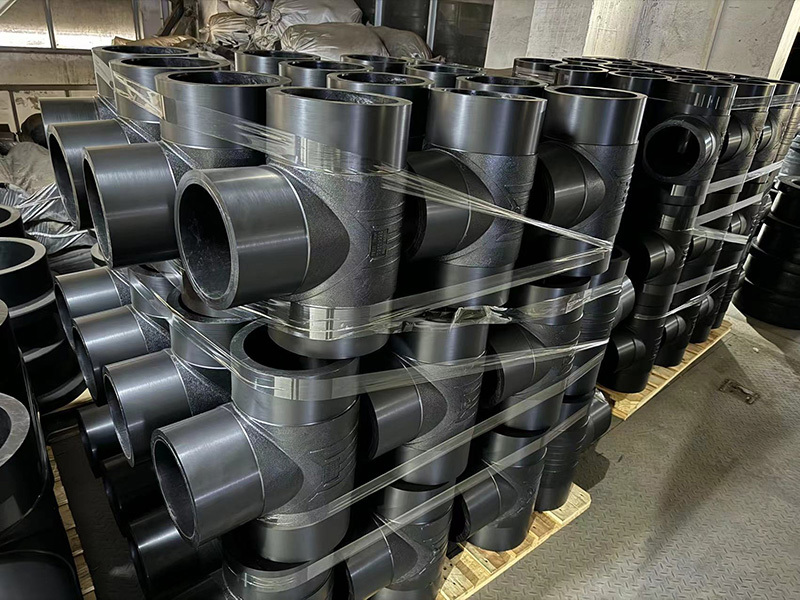
A wye reducing tee is a specialized fitting designed to connect three sections of pipe at an angle. It allows for a branch line to be tapped into a main line, providing a pathway for fluid flow from the main line to the side outlet. The reducing feature enables the connection of pipes of different diameters, ensuring compatibility between various plumbing systems. This fitting is particularly useful in applications such as irrigation, drainage, and other fluid transportation systems.
Essential Tools Required for Installation
Before embarking on your installation journey, it’s crucial to gather all the necessary tools. Here’s a comprehensive list:
- **Pipe Cutter**: For cleanly cutting the PE pipe.
- **Measuring Tape**: To ensure accurate lengths.
- **Deburring Tool**: To smooth the edges of the cut pipe.
- **Wrench**: For tightening connections securely.
- **Teflon Tape**: To ensure a watertight seal on threaded connections.
- **Safety Gear**: Gloves and goggles to protect yourself during installation.
Having the right tools at your disposal will not only make the job easier but also enhance the quality of your installation.
Step-by-Step Installation Guide
Embarking on installation can be straightforward if you follow a systematic approach. Below are the detailed steps to successfully install a PE fitting wye reducing tee.
Preparation Steps for Installation
1. **Plan Your Layout**: Before cutting any pipes, visualize the layout of your plumbing system. Determine where the wye reducing tee will be installed.
2. **Measure Twice, Cut Once**: Use your measuring tape to mark the correct lengths on the pipe. This minimizes waste and ensures precision.
3. **Safety First**: Wear your safety gear to protect against any potential hazards during installation.
Cutting the Pipe Properly
Using a pipe cutter, make a clean cut on the pipe at the marked length. Avoid using saws that could leave jagged edges, as this could compromise the integrity of the connection.
1. **Smooth the Edges**: After cutting, use a deburring tool to smooth out any rough edges. This step is crucial for ensuring a snug fit with the wye reducing tee.
Joining the Wye Reducing Tee to the Pipes
1. **Apply Teflon Tape**: If your wye reducing tee has threaded ends, wrap Teflon tape around the threads to ensure a watertight seal.
2. **Align the Fittings**: Position the wye fitting at the desired angle and align it with the main pipe. Ensure that the side outlet is directed according to your plumbing design.
3. **Insert the Pipe**: Push the cut end of the pipe into the fitting until it reaches the stop. This will create a firm connection.
Tightening the Connection
Using a wrench, securely tighten the connection, ensuring it is snug but not overly tight, as this could damage the fitting.
1. **Check for Leaks**: Once everything is in place, turn on the water supply and check for any leaks around the connections. If you notice any leaks, revisit your tightening process or reapply Teflon tape as necessary.
Common Installation Mistakes to Avoid
Even seasoned professionals can make mistakes. Here are some common pitfalls to watch out for:
- **Ignoring Pipe Compatibility**: Always ensure that the diameters of the pipes and fittings match.
- **Cutting Corners on Preparation**: Skipping the deburring step can lead to leaks.
- **Overtightening Connections**: Applying too much force can crack the fittings, leading to future leaks.
Being aware of these mistakes can save you time and resources, allowing for a smoother installation process.
Maintenance Tips for Long-lasting Performance
Once your wye reducing tee is installed, maintaining it is key to ensuring longevity:
- **Regular Inspections**: Periodically check for signs of wear, leaks, or damage.
- **Keep the Area Clean**: Clear debris around the fitting to prevent blockages.
- **Monitor Water Pressure**: Ensure that the system operates within the recommended pressure range to avoid undue stress on the fittings.
Following these maintenance practices will help ensure that your plumbing system remains in excellent condition for years to come.
Troubleshooting Common Issues
If you encounter problems, here are some common issues and how to address them:
- **Leaks at Connections**: Double-check the tightness of the fittings and reapply Teflon tape if necessary.
- **Low Water Pressure**: Inspect for blockages in the pipes and fittings, and clear any debris.
- **Pipes Separating**: Ensure that all connections were made securely during installation.
Addressing these issues promptly can prevent larger, more costly problems down the line.
Conclusion
Installing a PE fitting wye reducing tee might seem complex at first, but with the right tools, preparation, and guidance, it can become a straightforward task. By following the outlined steps and adopting best practices for maintenance and troubleshooting, you can confidently manage this plumbing installation like a pro. Remember, patience and attention to detail are key to achieving a successful outcome.
FAQs
1. **What materials are PE fittings made from?**
PE fittings are primarily made from high-density polyethylene, which offers strength and flexibility.
2. **Can I use a wye reducing tee for both drainage and supply lines?**
Yes, wye reducing tees are versatile and can be used in both drainage and supply applications.
3. **What tools do I need for installing a wye reducing tee?**
Essential tools include a pipe cutter, measuring tape, deburring tool, wrench, and safety gear.
4. **How can I tell if my connections are watertight?**
After installation, turn on the water supply and inspect for any leaks around the connections.
5. **Is it necessary to use Teflon tape on fittings?**
Yes, Teflon tape helps create a watertight seal on threaded connections, preventing leaks.
With careful attention and the right techniques, mastering the art of installing a PE fitting wye reducing tee is entirely within your reach.
Contact Us
E-mail:
gjl@jydjsy.com
Mr.Gu (Tel):
86-18961696788 / 86-510-86378220
Tel:
86-510-86370651 / 86-510-86371315

Phone/WhatsApp:
Email:
Our high-quality production benefits from rich production experience and careful selection of raw materials.
HUATAO GROUP
Leave Message