

Exploring the Benefits of Three-Way Pipe Fittings in Modern Construction
Oct 07,2024

Exploring the Benefits of Three-Way Pipe Fittings in Modern Construction
In the realm of modern construction, **three-way pipe fittings** represent a crucial component that contributes significantly to fluid and gas distribution systems. These fittings are essential for directing the flow of liquids and gases, making them indispensable in various applications. In this article, we will explore the numerous benefits of three-way pipe fittings, focusing on their function, types, materials used, and their impact on overall project efficiency and cost-effectiveness.
Table of Contents
- Understanding Three-Way Pipe Fittings
- Types of Three-Way Pipe Fittings
- Materials Used in Three-Way Pipe Fittings
- Advantages of Three-Way Pipe Fittings in Construction
- Applications of Three-Way Pipe Fittings in Modern Construction
- Installation and Maintenance Tips for Three-Way Pipe Fittings
- Sustainability Considerations with Three-Way Pipe Fittings
- Frequently Asked Questions
- Conclusion
Understanding Three-Way Pipe Fittings
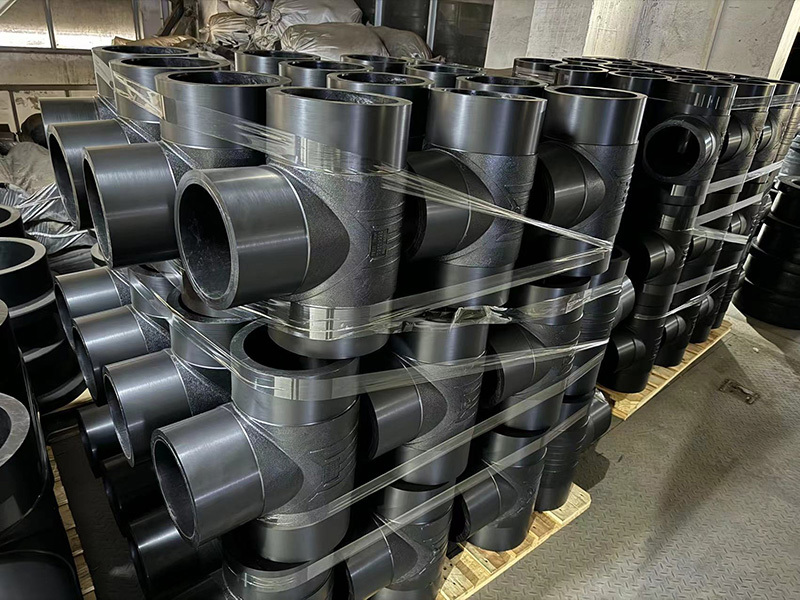
Three-way pipe fittings, also known as **T-fittings**, are designed to connect three sections of pipe, allowing for a change in direction of the flow. These fittings typically come in various forms, including equal and reducing types, and are essential in creating branching pathways in piping systems.
Utilizing three-way fittings enhances **fluid dynamics**, ensuring that the flow is maintained efficiently with minimal turbulence. This is particularly crucial in applications requiring precision and reliability, such as in HVAC systems, plumbing, and industrial processes.
Types of Three-Way Pipe Fittings
Different types of three-way pipe fittings exist, with their selection largely depending on the specific application and flow requirements:
Equal Three-Way Fittings
Equal three-way fittings allow for equal flow distribution between all three outlets. This type is most commonly used in systems where flow balance is critical.
Reducing Three-Way Fittings
Reducing three-way fittings are designed for situations where unequal flow paths are necessary. One outlet will have a smaller diameter than the others, accommodating systems with varying flow rates.
Socket-Weld and Threaded Three-Way Fittings
These fittings can be connected to pipes using different methods, such as welding or threading, which can significantly affect the installation process and overall system integrity.
Materials Used in Three-Way Pipe Fittings
The material of construction for three-way pipe fittings plays a pivotal role in their performance and longevity. Here are some common materials used:
Stainless Steel
Known for its resistance to corrosion and high temperatures, stainless steel is often preferred in industries dealing with aggressive fluids, such as chemicals and acids.
Brass
Brass fittings offer good corrosion resistance and are often used in plumbing and heating applications due to their durability and reliability.
Plastic (PVC, CPVC)
Plastic fittings are lightweight, cost-effective, and resistant to corrosion. They are commonly used in residential plumbing and irrigation systems.
Advantages of Three-Way Pipe Fittings in Construction
The use of **three-way pipe fittings** provides several advantages in construction projects:
1. Improved Flow Control
Three-way fittings enable efficient flow distribution, minimizing resistance and energy loss. This leads to improved system performance and reduced operational costs.
2. Versatility in Design
These fittings facilitate complex piping layouts, enabling designers and engineers to create efficient and functional systems tailored to specific needs.
3. Space Optimization
By allowing multiple pipes to connect at a single junction, three-way fittings help save space, which is especially beneficial in areas with limited installation room.
4. Simplified Maintenance
Three-way fittings can simplify maintenance procedures by providing easy access to various sections of the piping system without the need for extensive disassembly.
5. Reduced System Costs
By optimizing flow and reducing the number of fittings needed for complex systems, three-way fittings can help lower overall material and installation costs.
Applications of Three-Way Pipe Fittings in Modern Construction
Three-way pipe fittings are utilized across various sectors in modern construction:
1. Plumbing Systems
In residential and commercial plumbing, three-way fittings facilitate the distribution of water to different areas efficiently, thus enhancing water flow and pressure management.
2. HVAC Systems
In heating, ventilation, and air conditioning systems, these fittings help direct airflow, ensuring that temperature control is achieved throughout different spaces effectively.
3. Industrial Applications
In industries such as oil and gas, chemical processing, and manufacturing, three-way fittings are essential in directing and controlling the flow of various materials under different pressure conditions.
4. Irrigation Systems
For agricultural purposes, these fittings are crucial for creating efficient irrigation layouts, allowing for optimal water distribution to crops.
Installation and Maintenance Tips for Three-Way Pipe Fittings
Proper installation and maintenance are key to ensuring the longevity and efficiency of three-way pipe fittings. Here are some expert tips:
Installation Tips
- Ensure proper alignment of pipes before securing the fittings to avoid stress on joints.
- Use appropriate sealants and adhesives to prevent leaks.
- Follow manufacturer guidelines for torque specifications to prevent over-tightening.
Maintenance Tips
- Regularly inspect fittings for signs of wear, corrosion, or leaks.
- Clean fittings to prevent buildup that can restrict flow.
- Replace fittings at the first sign of damage to maintain system integrity.
Sustainability Considerations with Three-Way Pipe Fittings
With the growing emphasis on sustainability in construction, three-way pipe fittings can play a role in creating more eco-friendly systems:
1. Energy Efficiency
Efficient fluid dynamics can lead to reduced energy consumption, contributing to lower carbon footprints in various applications.
2. Material Longevity
Choosing durable materials for fittings can lead to longer service life, reducing waste and the need for frequent replacements.
3. Recycling Potential
Many materials used in three-way fittings, such as metals and certain plastics, can be recycled, promoting a circular economy in construction.
Frequently Asked Questions
1. What are three-way pipe fittings used for?
Three-way pipe fittings are used to connect three sections of piping, allowing for the diversion or merging of fluid flow in various applications such as plumbing, HVAC, and industrial systems.
2. Are three-way pipe fittings easy to install?
Yes, three-way pipe fittings can be relatively easy to install, especially when following manufacturer guidelines and ensuring proper alignment of pipes.
3. What materials are best for three-way pipe fittings?
The best material depends on the application. Stainless steel is ideal for corrosive environments, while PVC is suitable for low-pressure applications.
4. How do I know if a three-way fitting is leaking?
Signs of leakage include visible water or fluid around the fitting, dampness, or reduced pressure in the system.
5. Can I use three-way fittings in outdoor environments?
Yes, but ensure that you select materials that can withstand outdoor conditions, such as UV exposure and temperature fluctuations.
Conclusion
The benefits of three-way pipe fittings in modern construction cannot be overstated. From enabling efficient fluid control to enhancing the functionality of plumbing and HVAC systems, these fittings play a vital role in achieving optimal performance in various applications. By understanding their types, materials, advantages, and maintenance needs, professionals can make informed decisions that lead to successful construction projects. As sustainability becomes a growing concern in the industry, leveraging the benefits of three-way pipe fittings can significantly contribute to creating more efficient and eco-friendly systems.
PREVIOUS:
Contact Us
E-mail:
gjl@jydjsy.com
Mr.Gu (Tel):
86-18961696788 / 86-510-86378220
Tel:
86-510-86370651 / 86-510-86371315

Phone/WhatsApp:
Email:
Our high-quality production benefits from rich production experience and careful selection of raw materials.
HUATAO GROUP
Leave Message