

Essential Guide to Four-Way Pipe Fittings for Your Building Projects
Aug 18,2024

Essential Guide to Four-Way Pipe Fittings for Your Building Projects
Table of Contents
- 1. Introduction to Four-Way Pipe Fittings
- 2. What Are Four-Way Pipe Fittings?
- 3. Applications of Four-Way Pipe Fittings in Construction
- 4. Benefits of Using Four-Way Pipe Fittings
- 5. Types of Four-Way Pipe Fittings
- 6. Installation Techniques for Four-Way Pipe Fittings
- 7. Maintenance and Care of Four-Way Pipe Fittings
- 8. Common Issues with Four-Way Pipe Fittings and Their Solutions
- 9. Conclusion
- 10. Frequently Asked Questions
1. Introduction to Four-Way Pipe Fittings
In the realm of **building projects**, efficient piping systems are crucial. **Four-way pipe fittings**, also known as **four-way tees**, play a significant role in creating versatile pipe layouts. These fittings are engineered to enable the connection of four pipe segments, allowing fluid to flow in multiple directions. This article aims to provide an in-depth understanding of four-way pipe fittings, their applications, and the advantages they offer in construction.
2. What Are Four-Way Pipe Fittings?
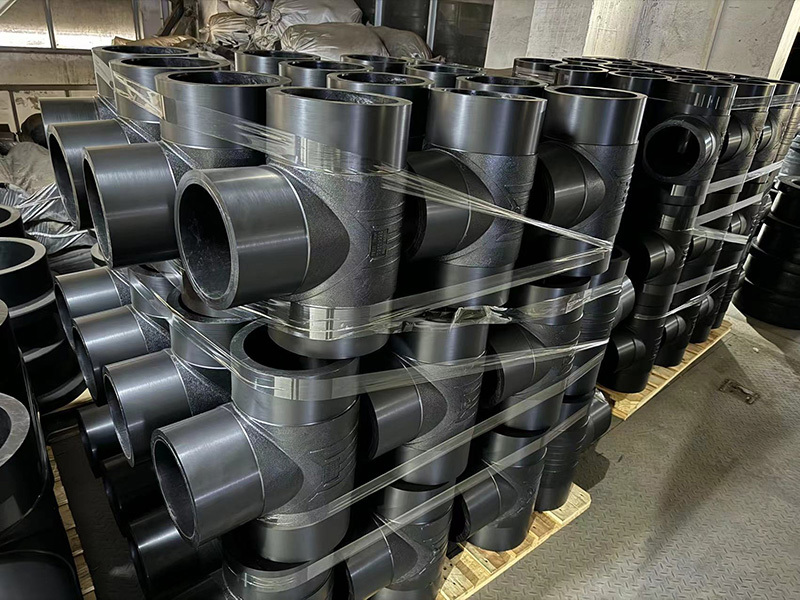
Four-way pipe fittings are specialized components designed to connect four pipes at a single junction. These fittings are characterized by their unique shape, resembling a plus sign, where fluid can enter and exit from four different directions. They come in various materials, including PVC, copper, and steel, catering to diverse project needs. Understanding the design and function of four-way fittings is essential for any construction professional or DIY enthusiast.
3. Applications of Four-Way Pipe Fittings in Construction
The versatility of four-way pipe fittings makes them suitable for various applications in the construction industry. Here are some common uses:
3.1 Plumbing Systems
In residential and commercial plumbing, four-way fittings facilitate the distribution of water across multiple fixtures. They help maintain efficient water pressure while reducing the number of joints, which minimizes potential leak points.
3.2 HVAC Systems
In HVAC (Heating, Ventilation, and Air Conditioning) systems, these fittings are essential for routing air and refrigerant through different sections of a building. They ensure optimal airflow and temperature regulation, contributing to energy efficiency.
3.3 Industrial Applications
Industries often rely on four-way fittings for fluid transfer systems, chemical processing, and irrigation networks. Their robust design ensures they can withstand high pressure and corrosive substances, making them ideal for demanding environments.
4. Benefits of Using Four-Way Pipe Fittings
Utilizing four-way pipe fittings in your building projects offers numerous advantages:
4.1 Enhanced Flow Control
With the ability to direct flow in multiple directions, four-way fittings provide better control over fluid movement. This is particularly beneficial in complex plumbing and HVAC setups.
4.2 Space Efficiency
By combining connections into a single fitting, four-way pipe fittings save space. This is particularly advantageous in tight construction areas where every inch counts.
4.3 Reduced Installation Time
Fewer fittings mean fewer connections to install, resulting in significant time savings during construction. This efficiency translates to reduced labor costs.
5. Types of Four-Way Pipe Fittings
Understanding the different types of four-way pipe fittings can help you choose the right one for your project:
5.1 PVC Four-Way Fittings
PVC four-way fittings are lightweight and resistant to corrosion, making them ideal for plumbing and irrigation systems. They are easy to install and cost-effective.
5.2 Copper Four-Way Fittings
Copper fittings offer excellent heat transfer properties, making them suitable for HVAC systems. They are durable and resistant to heat and corrosion.
5.3 Steel Four-Way Fittings
Steel fittings are robust and capable of handling high-pressure applications. They are commonly used in industrial settings where strength and durability are essential.
6. Installation Techniques for Four-Way Pipe Fittings
Correct installation is crucial for the optimal performance of four-way pipe fittings. Here are some techniques to follow:
6.1 Preparing the Pipes
Ensure that all pipe ends are clean and free from debris. Cut the pipes to the required lengths using a pipe cutter for a smooth finish.
6.2 Dry Fitting
Before permanently attaching the fittings, perform a dry fit to ensure everything aligns correctly. This step allows for adjustments before any adhesives or seals are applied.
6.3 Securing the Fittings
Once satisfied with the alignment, secure the fittings using appropriate adhesives or soldering techniques, depending on the material. For PVC, use solvent cement; for copper, solder the joints.
6.4 Testing for Leaks
After installation, conduct a pressure test to check for leaks. This step ensures the integrity of the system and helps avoid future issues.
7. Maintenance and Care of Four-Way Pipe Fittings
Proper maintenance extends the lifespan of four-way pipe fittings. Here are some tips:
7.1 Regular Inspections
Periodically inspect fittings for signs of wear, corrosion, or leaks. Early detection can prevent costly repairs and downtime.
7.2 Cleaning
Keep the fittings clean by removing any buildup of dirt or debris. This maintenance ensures smooth operation and prevents clogs.
7.3 Replacing Damaged Fittings
If you notice any cracks or significant wear, replace the fittings immediately. Continuing to use damaged fittings can lead to system failures.
8. Common Issues with Four-Way Pipe Fittings and Their Solutions
Even the best installations can face challenges. Here are some common issues and their solutions:
8.1 Leaks
**Problem:** Leaks can occur at the junction points.
**Solution:** Check connections for signs of wear and retighten or reseal as necessary.
8.2 Corrosion
**Problem:** Corrosion can weaken fittings, especially in metal types.
**Solution:** Regularly inspect and replace corroded fittings. Consider using anti-corrosion coatings.
8.3 Clogs
**Problem:** Clogs can block fluid flow.
**Solution:** Clean fittings and pipes regularly to prevent buildup that leads to clogs.
9. Conclusion
Four-way pipe fittings are indispensable elements in modern construction and plumbing. Their unique design allows for flexibility in piping systems, facilitating efficient fluid flow while saving space and reducing installation time. Understanding their applications, benefits, and maintenance will empower you to make informed decisions in your building projects. By implementing the right techniques and practicing regular upkeep, you can ensure that your four-way fittings perform optimally, delivering long-lasting results.
10. Frequently Asked Questions
10.1 What materials are four-way pipe fittings made from?
Four-way pipe fittings can be made from PVC, copper, and steel, each suitable for different applications.
10.2 How do I know which four-way fitting to use?
Consider the specific requirements of your project, such as pressure, corrosion resistance, and the type of fluid being transported.
10.3 Can four-way pipe fittings be used in both residential and industrial applications?
Yes, four-way fittings are versatile and can be used in various settings, including residential plumbing and industrial fluid systems.
10.4 What is the typical lifespan of four-way pipe fittings?
The lifespan varies by material and application but can range from several years to decades with proper maintenance.
10.5 How often should I inspect my four-way pipe fittings?
Regular inspections should be conducted at least once a year, with more frequent checks in high-risk applications.
By following this guide, you'll be well-equipped to leverage four-way pipe fittings in your building projects, ensuring efficiency and durability in your plumbing and HVAC systems.
Contact Us
E-mail:
gjl@jydjsy.com
Mr.Gu (Tel):
86-18961696788 / 86-510-86378220
Tel:
86-510-86370651 / 86-510-86371315

Phone/WhatsApp:
Email:
Our high-quality production benefits from rich production experience and careful selection of raw materials.
HUATAO GROUP
Leave Message