

Discover the Versatility of Pipe Fittings: Three-Way Connections
Jun 29,2024

**Introduction**
Pipe fittings play a crucial role in the plumbing and construction industry, providing essential connections for various pipes and tubing. Among the wide range of fittings available, three-way connections stand out for their versatility and usefulness in a variety of applications. In this article, we will delve into the world of pipe fittings, specifically focusing on three-way connections, their types, materials, and applications.
**Types of Three-Way Connections**
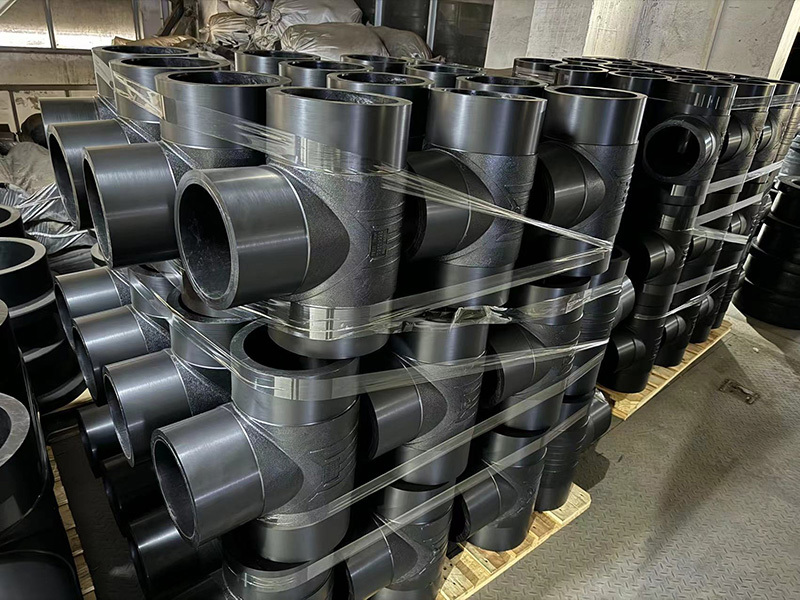
Three-way connections, also known as tees, are fittings that allow for a perpendicular connection between three pipes or tubes. There are several types of three-way connections, including equal tee, reducing tee, and barred tee.
* **Equal Tee:** An equal tee has three equally sized openings for pipes to connect, making it ideal for situations where all three pipes are of the same diameter.
* **Reducing Tee:** A reducing tee has different sized openings, allowing for pipes of varying diameters to be connected. This type of tee is commonly used to join pipes of different sizes.
* **Barred Tee:** A barred tee features a branch pipe that is welded to the main pipe at a 45-degree angle, making it suitable for applications where flow direction needs to be changed.
**Materials Used in Three-Way Connections**
Three-way connections are available in a variety of materials to suit different applications and environments. Some common materials used in the manufacturing of three-way connections include:
* **Carbon Steel:** Known for its strength and durability, carbon steel three-way connections are ideal for high-pressure and high-temperature applications.
* **Stainless Steel:** Stainless steel three-way connections offer excellent corrosion resistance and are suitable for marine and chemical processing industries.
* **Copper:** Copper three-way connections are commonly used in residential plumbing systems due to their antimicrobial properties and ease of installation.
* **PVC:** PVC three-way connections are lightweight, easy to install, and resistant to corrosion, making them ideal for water supply and drainage systems.
**Applications of Three-Way Connections**
Three-way connections are used in a wide range of applications across various industries, including:
* **Plumbing:** Three-way connections are essential for creating branch connections in plumbing systems, such as water supply lines and sewage systems.
* **HVAC Systems:** Three-way connections are used in heating, ventilation, and air conditioning systems to route airflow and control the direction of hot or cold air.
* **Industrial Processes:** Three-way connections play a vital role in industrial processes, such as chemical processing, oil and gas production, and food manufacturing.
* **Construction:** Three-way connections are used in construction projects to create complex piping systems for water distribution, gas lines, and HVAC systems.
**Frequently Asked Questions**
1. **What is the difference between an equal tee and a reducing tee?**
- An equal tee has three equally sized openings, while a reducing tee has different sized openings for connecting pipes of varying diameters.
2. **Are three-way connections available in different materials?**
- Yes, three-way connections are available in a variety of materials, including carbon steel, stainless steel, copper, and PVC.
3. **Where are three-way connections commonly used?**
- Three-way connections are used in plumbing systems, HVAC systems, industrial processes, and construction projects.
4. **What are the benefits of using three-way connections in piping systems?**
- Three-way connections provide flexibility in routing pipes, allowing for efficient flow control and branch connections in pipelines.
5. **How do I choose the right three-way connection for my application?**
- Consider factors such as pipe size, material compatibility, pressure and temperature requirements, and environmental conditions when selecting a three-way connection.
**Conclusion**
In conclusion, three-way connections are versatile and essential fittings that play a crucial role in plumbing and construction projects. By understanding the different types, materials, and applications of three-way connections, you can make informed decisions when selecting fittings for your projects. Whether you are working on a residential plumbing system, an industrial process, or a construction project, three-way connections offer the flexibility and functionality you need to create efficient and reliable piping systems.
Pipe fittings play a crucial role in the plumbing and construction industry, providing essential connections for various pipes and tubing. Among the wide range of fittings available, three-way connections stand out for their versatility and usefulness in a variety of applications. In this article, we will delve into the world of pipe fittings, specifically focusing on three-way connections, their types, materials, and applications.
**Types of Three-Way Connections**
Three-way connections, also known as tees, are fittings that allow for a perpendicular connection between three pipes or tubes. There are several types of three-way connections, including equal tee, reducing tee, and barred tee.
* **Equal Tee:** An equal tee has three equally sized openings for pipes to connect, making it ideal for situations where all three pipes are of the same diameter.
* **Reducing Tee:** A reducing tee has different sized openings, allowing for pipes of varying diameters to be connected. This type of tee is commonly used to join pipes of different sizes.
* **Barred Tee:** A barred tee features a branch pipe that is welded to the main pipe at a 45-degree angle, making it suitable for applications where flow direction needs to be changed.
**Materials Used in Three-Way Connections**
Three-way connections are available in a variety of materials to suit different applications and environments. Some common materials used in the manufacturing of three-way connections include:
* **Carbon Steel:** Known for its strength and durability, carbon steel three-way connections are ideal for high-pressure and high-temperature applications.
* **Stainless Steel:** Stainless steel three-way connections offer excellent corrosion resistance and are suitable for marine and chemical processing industries.
* **Copper:** Copper three-way connections are commonly used in residential plumbing systems due to their antimicrobial properties and ease of installation.
* **PVC:** PVC three-way connections are lightweight, easy to install, and resistant to corrosion, making them ideal for water supply and drainage systems.
**Applications of Three-Way Connections**
Three-way connections are used in a wide range of applications across various industries, including:
* **Plumbing:** Three-way connections are essential for creating branch connections in plumbing systems, such as water supply lines and sewage systems.
* **HVAC Systems:** Three-way connections are used in heating, ventilation, and air conditioning systems to route airflow and control the direction of hot or cold air.
* **Industrial Processes:** Three-way connections play a vital role in industrial processes, such as chemical processing, oil and gas production, and food manufacturing.
* **Construction:** Three-way connections are used in construction projects to create complex piping systems for water distribution, gas lines, and HVAC systems.
**Frequently Asked Questions**
1. **What is the difference between an equal tee and a reducing tee?**
- An equal tee has three equally sized openings, while a reducing tee has different sized openings for connecting pipes of varying diameters.
2. **Are three-way connections available in different materials?**
- Yes, three-way connections are available in a variety of materials, including carbon steel, stainless steel, copper, and PVC.
3. **Where are three-way connections commonly used?**
- Three-way connections are used in plumbing systems, HVAC systems, industrial processes, and construction projects.
4. **What are the benefits of using three-way connections in piping systems?**
- Three-way connections provide flexibility in routing pipes, allowing for efficient flow control and branch connections in pipelines.
5. **How do I choose the right three-way connection for my application?**
- Consider factors such as pipe size, material compatibility, pressure and temperature requirements, and environmental conditions when selecting a three-way connection.
**Conclusion**
In conclusion, three-way connections are versatile and essential fittings that play a crucial role in plumbing and construction projects. By understanding the different types, materials, and applications of three-way connections, you can make informed decisions when selecting fittings for your projects. Whether you are working on a residential plumbing system, an industrial process, or a construction project, three-way connections offer the flexibility and functionality you need to create efficient and reliable piping systems.
Contact Us
E-mail:
gjl@jydjsy.com
Mr.Gu (Tel):
86-18961696788 / 86-510-86378220
Tel:
86-510-86370651 / 86-510-86371315

Phone/WhatsApp:
Email:
Our high-quality production benefits from rich production experience and careful selection of raw materials.
HUATAO GROUP
Leave Message