

The Role of PE Welding 45 Degree Elbows in Ensuring Efficient Fluid Flow
Oct 20,2023

Table of Contents
1. Introduction
2. Understanding PE Welding 45 Degree Elbows
3. Benefits and Applications
4. Design and Installation Considerations
5. Performance Impact
6. Maintenance and Longevity
7. Frequently Asked Questions
8. Conclusion
1. Introduction
Fluid transmission systems are essential in various industries, including manufacturing, oil and gas, chemical processing, and more. The efficiency of these systems largely depends on the components used, such as PE welding 45 degree elbows. In this article, we will explore the role and significance of these elbows in ensuring optimal fluid flow.
2. Understanding PE Welding 45 Degree Elbows
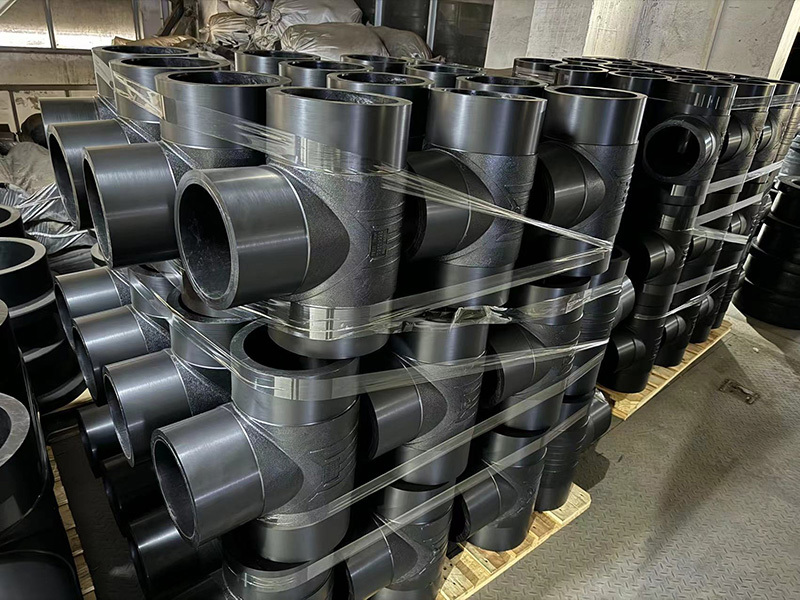
PE welding 45 degree elbows are pipe fittings used to change the direction of fluid flow by 45 degrees. They are made from high-density polyethylene (HDPE) material, known for its excellent chemical resistance, durability, and flexibility. These elbows are commonly used in piping systems to connect pipes or tubing sections, allowing for smooth and efficient fluid transmission.
2.1 Advantages of PE Welding 45 Degree Elbows
- High Chemical Resistance: PE welding 45 degree elbows are resistant to a wide range of chemicals, making them suitable for various industries.
- Durability: The HDPE material used in these elbows ensures long-lasting performance, even in harsh environments.
- Flexibility: PE welding 45 degree elbows offer the flexibility needed to accommodate changes in pipe direction, reducing stress on the system.
- Lightweight: These elbows are lightweight, making them easy to handle and install.
- Corrosion and Rust Resistance: Unlike metal elbows, PE welding 45 degree elbows are not prone to rust or corrosion, ensuring a longer lifespan.
3. Benefits and Applications
PE welding 45 degree elbows offer numerous benefits and find applications in diverse industries. Here are some notable advantages and common uses:
3.1 Smooth Fluid Flow
The smooth interior surface of PE welding 45 degree elbows ensures minimal pressure loss and turbulence, promoting efficient fluid flow. This feature is crucial in systems where smooth transmission is vital, such as water supply networks, chemical processing plants, and sewage systems.
3.2 Versatility
PE welding 45 degree elbows are available in various sizes and configurations, allowing for versatility in design and installation. They can be easily integrated into different piping systems, including above-ground and underground installations.
3.3 Cost-Effectiveness
Compared to metal elbows, PE welding 45 degree elbows offer a cost-effective solution without compromising performance. Their durability and resistance to corrosion translate into reduced maintenance and replacement costs over time.
3.4 Wide Range of Applications
PE welding 45 degree elbows are used in various industries, including:
- Water and wastewater treatment plants
- Chemical processing facilities
- Oil and gas pipelines
- HVAC systems
- Irrigation systems
- Mining operations
- And more
4. Design and Installation Considerations
To ensure optimal functionality of PE welding 45 degree elbows, proper design and installation are crucial. Consider the following factors:
4.1 Pipe Diameter and Material
Select the appropriate elbow size and material based on the pipe diameter and the fluid being transmitted. Different applications may require specific pipe sizes and materials to achieve optimal flow rates and pressure.
4.2 Alignment and Angle
Accurate alignment and angle are vital during installation to prevent flow restrictions or pressure drops. Improper alignment can lead to increased energy consumption, reduced efficiency, and potential system failures.
4.3 Welding Techniques
PE welding 45 degree elbows are typically joined to pipes using various welding techniques, including butt fusion, electrofusion, and socket fusion. It is essential to follow industry-standard procedures and ensure proper fusion to maintain the integrity of the joint.
5. Performance Impact
The use of PE welding 45 degree elbows can significantly impact the performance of fluid transmission systems. Key performance factors include:
5.1 Flow Efficiency
By minimizing pressure loss and turbulence, PE welding 45 degree elbows contribute to efficient fluid flow, reducing energy consumption and maximizing system performance.
5.2 Pressure Drop
Properly designed and installed elbows help minimize pressure drop, allowing fluid to travel smoothly through the system. This improves overall efficiency and reduces stress on the pipes and equipment.
5.3 Flow Capacity
PE welding 45 degree elbows are designed to maintain the original pipe's flow capacity while changing the direction of fluid flow. This ensures that the system can handle the required flow rates without compromising performance.
6. Maintenance and Longevity
PE welding 45 degree elbows require minimal maintenance and offer excellent longevity. However, regular inspections are recommended to detect any potential issues, such as leaks or damage. Routine maintenance includes visual inspections, checking for proper alignment, and monitoring overall system performance.
7. Frequently Asked Questions
Q1: Can PE welding 45 degree elbows be used for both above-ground and underground installations?
A1: Yes, these elbows are suitable for both above-ground and underground applications due to their durability, chemical resistance, and flexibility.
Q2: Are PE welding 45 degree elbows compatible with other pipe materials?
A2: Yes, these elbows can be used with various pipe materials, including HDPE, PVC, and steel, when proper fusion techniques are employed.
Q3: How long do PE welding 45 degree elbows typically last?
A3: With proper installation and maintenance, PE welding 45 degree elbows can last for decades, offering long-term performance and reliability.
Q4: Are PE welding 45 degree elbows suitable for high-pressure applications?
A4: Yes, these elbows can handle high-pressure applications when installed correctly and paired with appropriate pipe materials.
Q5: Can PE welding 45 degree elbows be used in corrosive environments?
A5: Absolutely. The corrosion-resistant nature of HDPE makes these elbows ideal for use in corrosive environments.
8. Conclusion
PE welding 45 degree elbows play a crucial role in ensuring efficient fluid flow in various industries. Their durability, chemical resistance, and flexibility make them a reliable choice for optimizing fluid transmission systems. By minimizing pressure loss, turbulence, and pressure drops, these elbows contribute to reduced energy consumption, improved performance, and cost-effectiveness. Thanks to their longevity and versatility, PE welding 45 degree elbows continue to be a preferred solution for achieving efficient fluid flow.
Fluid transmission systems are essential in various industries, including manufacturing, oil and gas, chemical processing, and more. The efficiency of these systems largely depends on the components used, such as PE welding 45 degree elbows. In this article, we will explore the role and significance of these elbows in ensuring optimal fluid flow.
2. Understanding PE Welding 45 Degree Elbows
PE welding 45 degree elbows are pipe fittings used to change the direction of fluid flow by 45 degrees. They are made from high-density polyethylene (HDPE) material, known for its excellent chemical resistance, durability, and flexibility. These elbows are commonly used in piping systems to connect pipes or tubing sections, allowing for smooth and efficient fluid transmission.
2.1 Advantages of PE Welding 45 Degree Elbows
- High Chemical Resistance: PE welding 45 degree elbows are resistant to a wide range of chemicals, making them suitable for various industries.
- Durability: The HDPE material used in these elbows ensures long-lasting performance, even in harsh environments.
- Flexibility: PE welding 45 degree elbows offer the flexibility needed to accommodate changes in pipe direction, reducing stress on the system.
- Lightweight: These elbows are lightweight, making them easy to handle and install.
- Corrosion and Rust Resistance: Unlike metal elbows, PE welding 45 degree elbows are not prone to rust or corrosion, ensuring a longer lifespan.
3. Benefits and Applications
PE welding 45 degree elbows offer numerous benefits and find applications in diverse industries. Here are some notable advantages and common uses:
3.1 Smooth Fluid Flow
The smooth interior surface of PE welding 45 degree elbows ensures minimal pressure loss and turbulence, promoting efficient fluid flow. This feature is crucial in systems where smooth transmission is vital, such as water supply networks, chemical processing plants, and sewage systems.
3.2 Versatility
PE welding 45 degree elbows are available in various sizes and configurations, allowing for versatility in design and installation. They can be easily integrated into different piping systems, including above-ground and underground installations.
3.3 Cost-Effectiveness
Compared to metal elbows, PE welding 45 degree elbows offer a cost-effective solution without compromising performance. Their durability and resistance to corrosion translate into reduced maintenance and replacement costs over time.
3.4 Wide Range of Applications
PE welding 45 degree elbows are used in various industries, including:
- Water and wastewater treatment plants
- Chemical processing facilities
- Oil and gas pipelines
- HVAC systems
- Irrigation systems
- Mining operations
- And more
4. Design and Installation Considerations
To ensure optimal functionality of PE welding 45 degree elbows, proper design and installation are crucial. Consider the following factors:
4.1 Pipe Diameter and Material
Select the appropriate elbow size and material based on the pipe diameter and the fluid being transmitted. Different applications may require specific pipe sizes and materials to achieve optimal flow rates and pressure.
4.2 Alignment and Angle
Accurate alignment and angle are vital during installation to prevent flow restrictions or pressure drops. Improper alignment can lead to increased energy consumption, reduced efficiency, and potential system failures.
4.3 Welding Techniques
PE welding 45 degree elbows are typically joined to pipes using various welding techniques, including butt fusion, electrofusion, and socket fusion. It is essential to follow industry-standard procedures and ensure proper fusion to maintain the integrity of the joint.
5. Performance Impact
The use of PE welding 45 degree elbows can significantly impact the performance of fluid transmission systems. Key performance factors include:
5.1 Flow Efficiency
By minimizing pressure loss and turbulence, PE welding 45 degree elbows contribute to efficient fluid flow, reducing energy consumption and maximizing system performance.
5.2 Pressure Drop
Properly designed and installed elbows help minimize pressure drop, allowing fluid to travel smoothly through the system. This improves overall efficiency and reduces stress on the pipes and equipment.
5.3 Flow Capacity
PE welding 45 degree elbows are designed to maintain the original pipe's flow capacity while changing the direction of fluid flow. This ensures that the system can handle the required flow rates without compromising performance.
6. Maintenance and Longevity
PE welding 45 degree elbows require minimal maintenance and offer excellent longevity. However, regular inspections are recommended to detect any potential issues, such as leaks or damage. Routine maintenance includes visual inspections, checking for proper alignment, and monitoring overall system performance.
7. Frequently Asked Questions
Q1: Can PE welding 45 degree elbows be used for both above-ground and underground installations?
A1: Yes, these elbows are suitable for both above-ground and underground applications due to their durability, chemical resistance, and flexibility.
Q2: Are PE welding 45 degree elbows compatible with other pipe materials?
A2: Yes, these elbows can be used with various pipe materials, including HDPE, PVC, and steel, when proper fusion techniques are employed.
Q3: How long do PE welding 45 degree elbows typically last?
A3: With proper installation and maintenance, PE welding 45 degree elbows can last for decades, offering long-term performance and reliability.
Q4: Are PE welding 45 degree elbows suitable for high-pressure applications?
A4: Yes, these elbows can handle high-pressure applications when installed correctly and paired with appropriate pipe materials.
Q5: Can PE welding 45 degree elbows be used in corrosive environments?
A5: Absolutely. The corrosion-resistant nature of HDPE makes these elbows ideal for use in corrosive environments.
8. Conclusion
PE welding 45 degree elbows play a crucial role in ensuring efficient fluid flow in various industries. Their durability, chemical resistance, and flexibility make them a reliable choice for optimizing fluid transmission systems. By minimizing pressure loss, turbulence, and pressure drops, these elbows contribute to reduced energy consumption, improved performance, and cost-effectiveness. Thanks to their longevity and versatility, PE welding 45 degree elbows continue to be a preferred solution for achieving efficient fluid flow.
- High Chemical Resistance: PE welding 45 degree elbows are resistant to a wide range of chemicals, making them suitable for various industries.
- Durability: The HDPE material used in these elbows ensures long-lasting performance, even in harsh environments.
- Flexibility: PE welding 45 degree elbows offer the flexibility needed to accommodate changes in pipe direction, reducing stress on the system.
- Lightweight: These elbows are lightweight, making them easy to handle and install.
- Corrosion and Rust Resistance: Unlike metal elbows, PE welding 45 degree elbows are not prone to rust or corrosion, ensuring a longer lifespan.
3. Benefits and Applications
PE welding 45 degree elbows offer numerous benefits and find applications in diverse industries. Here are some notable advantages and common uses:
3.1 Smooth Fluid Flow
The smooth interior surface of PE welding 45 degree elbows ensures minimal pressure loss and turbulence, promoting efficient fluid flow. This feature is crucial in systems where smooth transmission is vital, such as water supply networks, chemical processing plants, and sewage systems.
3.2 Versatility
PE welding 45 degree elbows are available in various sizes and configurations, allowing for versatility in design and installation. They can be easily integrated into different piping systems, including above-ground and underground installations.
3.3 Cost-Effectiveness
Compared to metal elbows, PE welding 45 degree elbows offer a cost-effective solution without compromising performance. Their durability and resistance to corrosion translate into reduced maintenance and replacement costs over time.
3.4 Wide Range of Applications
PE welding 45 degree elbows are used in various industries, including:
- Water and wastewater treatment plants
- Chemical processing facilities
- Oil and gas pipelines
- HVAC systems
- Irrigation systems
- Mining operations
- And more
4. Design and Installation Considerations
To ensure optimal functionality of PE welding 45 degree elbows, proper design and installation are crucial. Consider the following factors:
4.1 Pipe Diameter and Material
Select the appropriate elbow size and material based on the pipe diameter and the fluid being transmitted. Different applications may require specific pipe sizes and materials to achieve optimal flow rates and pressure.
4.2 Alignment and Angle
Accurate alignment and angle are vital during installation to prevent flow restrictions or pressure drops. Improper alignment can lead to increased energy consumption, reduced efficiency, and potential system failures.
4.3 Welding Techniques
PE welding 45 degree elbows are typically joined to pipes using various welding techniques, including butt fusion, electrofusion, and socket fusion. It is essential to follow industry-standard procedures and ensure proper fusion to maintain the integrity of the joint.
5. Performance Impact
The use of PE welding 45 degree elbows can significantly impact the performance of fluid transmission systems. Key performance factors include:
5.1 Flow Efficiency
By minimizing pressure loss and turbulence, PE welding 45 degree elbows contribute to efficient fluid flow, reducing energy consumption and maximizing system performance.
5.2 Pressure Drop
Properly designed and installed elbows help minimize pressure drop, allowing fluid to travel smoothly through the system. This improves overall efficiency and reduces stress on the pipes and equipment.
5.3 Flow Capacity
PE welding 45 degree elbows are designed to maintain the original pipe's flow capacity while changing the direction of fluid flow. This ensures that the system can handle the required flow rates without compromising performance.
6. Maintenance and Longevity
PE welding 45 degree elbows require minimal maintenance and offer excellent longevity. However, regular inspections are recommended to detect any potential issues, such as leaks or damage. Routine maintenance includes visual inspections, checking for proper alignment, and monitoring overall system performance.
7. Frequently Asked Questions
Q1: Can PE welding 45 degree elbows be used for both above-ground and underground installations?
A1: Yes, these elbows are suitable for both above-ground and underground applications due to their durability, chemical resistance, and flexibility.
Q2: Are PE welding 45 degree elbows compatible with other pipe materials?
A2: Yes, these elbows can be used with various pipe materials, including HDPE, PVC, and steel, when proper fusion techniques are employed.
Q3: How long do PE welding 45 degree elbows typically last?
A3: With proper installation and maintenance, PE welding 45 degree elbows can last for decades, offering long-term performance and reliability.
Q4: Are PE welding 45 degree elbows suitable for high-pressure applications?
A4: Yes, these elbows can handle high-pressure applications when installed correctly and paired with appropriate pipe materials.
Q5: Can PE welding 45 degree elbows be used in corrosive environments?
A5: Absolutely. The corrosion-resistant nature of HDPE makes these elbows ideal for use in corrosive environments.
8. Conclusion
PE welding 45 degree elbows play a crucial role in ensuring efficient fluid flow in various industries. Their durability, chemical resistance, and flexibility make them a reliable choice for optimizing fluid transmission systems. By minimizing pressure loss, turbulence, and pressure drops, these elbows contribute to reduced energy consumption, improved performance, and cost-effectiveness. Thanks to their longevity and versatility, PE welding 45 degree elbows continue to be a preferred solution for achieving efficient fluid flow.
The smooth interior surface of PE welding 45 degree elbows ensures minimal pressure loss and turbulence, promoting efficient fluid flow. This feature is crucial in systems where smooth transmission is vital, such as water supply networks, chemical processing plants, and sewage systems.
3.2 Versatility
PE welding 45 degree elbows are available in various sizes and configurations, allowing for versatility in design and installation. They can be easily integrated into different piping systems, including above-ground and underground installations.
3.3 Cost-Effectiveness
Compared to metal elbows, PE welding 45 degree elbows offer a cost-effective solution without compromising performance. Their durability and resistance to corrosion translate into reduced maintenance and replacement costs over time.
3.4 Wide Range of Applications
PE welding 45 degree elbows are used in various industries, including:
- Water and wastewater treatment plants
- Chemical processing facilities
- Oil and gas pipelines
- HVAC systems
- Irrigation systems
- Mining operations
- And more
4. Design and Installation Considerations
To ensure optimal functionality of PE welding 45 degree elbows, proper design and installation are crucial. Consider the following factors:
4.1 Pipe Diameter and Material
Select the appropriate elbow size and material based on the pipe diameter and the fluid being transmitted. Different applications may require specific pipe sizes and materials to achieve optimal flow rates and pressure.
4.2 Alignment and Angle
Accurate alignment and angle are vital during installation to prevent flow restrictions or pressure drops. Improper alignment can lead to increased energy consumption, reduced efficiency, and potential system failures.
4.3 Welding Techniques
PE welding 45 degree elbows are typically joined to pipes using various welding techniques, including butt fusion, electrofusion, and socket fusion. It is essential to follow industry-standard procedures and ensure proper fusion to maintain the integrity of the joint.
5. Performance Impact
The use of PE welding 45 degree elbows can significantly impact the performance of fluid transmission systems. Key performance factors include:
5.1 Flow Efficiency
By minimizing pressure loss and turbulence, PE welding 45 degree elbows contribute to efficient fluid flow, reducing energy consumption and maximizing system performance.
5.2 Pressure Drop
Properly designed and installed elbows help minimize pressure drop, allowing fluid to travel smoothly through the system. This improves overall efficiency and reduces stress on the pipes and equipment.
5.3 Flow Capacity
PE welding 45 degree elbows are designed to maintain the original pipe's flow capacity while changing the direction of fluid flow. This ensures that the system can handle the required flow rates without compromising performance.
6. Maintenance and Longevity
PE welding 45 degree elbows require minimal maintenance and offer excellent longevity. However, regular inspections are recommended to detect any potential issues, such as leaks or damage. Routine maintenance includes visual inspections, checking for proper alignment, and monitoring overall system performance.
7. Frequently Asked Questions
Q1: Can PE welding 45 degree elbows be used for both above-ground and underground installations?
A1: Yes, these elbows are suitable for both above-ground and underground applications due to their durability, chemical resistance, and flexibility.
Q2: Are PE welding 45 degree elbows compatible with other pipe materials?
A2: Yes, these elbows can be used with various pipe materials, including HDPE, PVC, and steel, when proper fusion techniques are employed.
Q3: How long do PE welding 45 degree elbows typically last?
A3: With proper installation and maintenance, PE welding 45 degree elbows can last for decades, offering long-term performance and reliability.
Q4: Are PE welding 45 degree elbows suitable for high-pressure applications?
A4: Yes, these elbows can handle high-pressure applications when installed correctly and paired with appropriate pipe materials.
Q5: Can PE welding 45 degree elbows be used in corrosive environments?
A5: Absolutely. The corrosion-resistant nature of HDPE makes these elbows ideal for use in corrosive environments.
8. Conclusion
PE welding 45 degree elbows play a crucial role in ensuring efficient fluid flow in various industries. Their durability, chemical resistance, and flexibility make them a reliable choice for optimizing fluid transmission systems. By minimizing pressure loss, turbulence, and pressure drops, these elbows contribute to reduced energy consumption, improved performance, and cost-effectiveness. Thanks to their longevity and versatility, PE welding 45 degree elbows continue to be a preferred solution for achieving efficient fluid flow.
Compared to metal elbows, PE welding 45 degree elbows offer a cost-effective solution without compromising performance. Their durability and resistance to corrosion translate into reduced maintenance and replacement costs over time.
3.4 Wide Range of Applications
PE welding 45 degree elbows are used in various industries, including:
- Water and wastewater treatment plants
- Chemical processing facilities
- Oil and gas pipelines
- HVAC systems
- Irrigation systems
- Mining operations
- And more
4. Design and Installation Considerations
To ensure optimal functionality of PE welding 45 degree elbows, proper design and installation are crucial. Consider the following factors:
4.1 Pipe Diameter and Material
Select the appropriate elbow size and material based on the pipe diameter and the fluid being transmitted. Different applications may require specific pipe sizes and materials to achieve optimal flow rates and pressure.
4.2 Alignment and Angle
Accurate alignment and angle are vital during installation to prevent flow restrictions or pressure drops. Improper alignment can lead to increased energy consumption, reduced efficiency, and potential system failures.
4.3 Welding Techniques
PE welding 45 degree elbows are typically joined to pipes using various welding techniques, including butt fusion, electrofusion, and socket fusion. It is essential to follow industry-standard procedures and ensure proper fusion to maintain the integrity of the joint.
5. Performance Impact
The use of PE welding 45 degree elbows can significantly impact the performance of fluid transmission systems. Key performance factors include:
5.1 Flow Efficiency
By minimizing pressure loss and turbulence, PE welding 45 degree elbows contribute to efficient fluid flow, reducing energy consumption and maximizing system performance.
5.2 Pressure Drop
Properly designed and installed elbows help minimize pressure drop, allowing fluid to travel smoothly through the system. This improves overall efficiency and reduces stress on the pipes and equipment.
5.3 Flow Capacity
PE welding 45 degree elbows are designed to maintain the original pipe's flow capacity while changing the direction of fluid flow. This ensures that the system can handle the required flow rates without compromising performance.
6. Maintenance and Longevity
PE welding 45 degree elbows require minimal maintenance and offer excellent longevity. However, regular inspections are recommended to detect any potential issues, such as leaks or damage. Routine maintenance includes visual inspections, checking for proper alignment, and monitoring overall system performance.
7. Frequently Asked Questions
Q1: Can PE welding 45 degree elbows be used for both above-ground and underground installations?
A1: Yes, these elbows are suitable for both above-ground and underground applications due to their durability, chemical resistance, and flexibility.
Q2: Are PE welding 45 degree elbows compatible with other pipe materials?
A2: Yes, these elbows can be used with various pipe materials, including HDPE, PVC, and steel, when proper fusion techniques are employed.
Q3: How long do PE welding 45 degree elbows typically last?
A3: With proper installation and maintenance, PE welding 45 degree elbows can last for decades, offering long-term performance and reliability.
Q4: Are PE welding 45 degree elbows suitable for high-pressure applications?
A4: Yes, these elbows can handle high-pressure applications when installed correctly and paired with appropriate pipe materials.
Q5: Can PE welding 45 degree elbows be used in corrosive environments?
A5: Absolutely. The corrosion-resistant nature of HDPE makes these elbows ideal for use in corrosive environments.
8. Conclusion
PE welding 45 degree elbows play a crucial role in ensuring efficient fluid flow in various industries. Their durability, chemical resistance, and flexibility make them a reliable choice for optimizing fluid transmission systems. By minimizing pressure loss, turbulence, and pressure drops, these elbows contribute to reduced energy consumption, improved performance, and cost-effectiveness. Thanks to their longevity and versatility, PE welding 45 degree elbows continue to be a preferred solution for achieving efficient fluid flow.
To ensure optimal functionality of PE welding 45 degree elbows, proper design and installation are crucial. Consider the following factors:
4.1 Pipe Diameter and Material
Select the appropriate elbow size and material based on the pipe diameter and the fluid being transmitted. Different applications may require specific pipe sizes and materials to achieve optimal flow rates and pressure.
4.2 Alignment and Angle
Accurate alignment and angle are vital during installation to prevent flow restrictions or pressure drops. Improper alignment can lead to increased energy consumption, reduced efficiency, and potential system failures.
4.3 Welding Techniques
PE welding 45 degree elbows are typically joined to pipes using various welding techniques, including butt fusion, electrofusion, and socket fusion. It is essential to follow industry-standard procedures and ensure proper fusion to maintain the integrity of the joint.
5. Performance Impact
The use of PE welding 45 degree elbows can significantly impact the performance of fluid transmission systems. Key performance factors include:
5.1 Flow Efficiency
By minimizing pressure loss and turbulence, PE welding 45 degree elbows contribute to efficient fluid flow, reducing energy consumption and maximizing system performance.
5.2 Pressure Drop
Properly designed and installed elbows help minimize pressure drop, allowing fluid to travel smoothly through the system. This improves overall efficiency and reduces stress on the pipes and equipment.
5.3 Flow Capacity
PE welding 45 degree elbows are designed to maintain the original pipe's flow capacity while changing the direction of fluid flow. This ensures that the system can handle the required flow rates without compromising performance.
6. Maintenance and Longevity
PE welding 45 degree elbows require minimal maintenance and offer excellent longevity. However, regular inspections are recommended to detect any potential issues, such as leaks or damage. Routine maintenance includes visual inspections, checking for proper alignment, and monitoring overall system performance.
7. Frequently Asked Questions
Q1: Can PE welding 45 degree elbows be used for both above-ground and underground installations?
A1: Yes, these elbows are suitable for both above-ground and underground applications due to their durability, chemical resistance, and flexibility.
Q2: Are PE welding 45 degree elbows compatible with other pipe materials?
A2: Yes, these elbows can be used with various pipe materials, including HDPE, PVC, and steel, when proper fusion techniques are employed.
Q3: How long do PE welding 45 degree elbows typically last?
A3: With proper installation and maintenance, PE welding 45 degree elbows can last for decades, offering long-term performance and reliability.
Q4: Are PE welding 45 degree elbows suitable for high-pressure applications?
A4: Yes, these elbows can handle high-pressure applications when installed correctly and paired with appropriate pipe materials.
Q5: Can PE welding 45 degree elbows be used in corrosive environments?
A5: Absolutely. The corrosion-resistant nature of HDPE makes these elbows ideal for use in corrosive environments.
8. Conclusion
PE welding 45 degree elbows play a crucial role in ensuring efficient fluid flow in various industries. Their durability, chemical resistance, and flexibility make them a reliable choice for optimizing fluid transmission systems. By minimizing pressure loss, turbulence, and pressure drops, these elbows contribute to reduced energy consumption, improved performance, and cost-effectiveness. Thanks to their longevity and versatility, PE welding 45 degree elbows continue to be a preferred solution for achieving efficient fluid flow.
Accurate alignment and angle are vital during installation to prevent flow restrictions or pressure drops. Improper alignment can lead to increased energy consumption, reduced efficiency, and potential system failures.
4.3 Welding Techniques
PE welding 45 degree elbows are typically joined to pipes using various welding techniques, including butt fusion, electrofusion, and socket fusion. It is essential to follow industry-standard procedures and ensure proper fusion to maintain the integrity of the joint.
5. Performance Impact
The use of PE welding 45 degree elbows can significantly impact the performance of fluid transmission systems. Key performance factors include:
5.1 Flow Efficiency
By minimizing pressure loss and turbulence, PE welding 45 degree elbows contribute to efficient fluid flow, reducing energy consumption and maximizing system performance.
5.2 Pressure Drop
Properly designed and installed elbows help minimize pressure drop, allowing fluid to travel smoothly through the system. This improves overall efficiency and reduces stress on the pipes and equipment.
5.3 Flow Capacity
PE welding 45 degree elbows are designed to maintain the original pipe's flow capacity while changing the direction of fluid flow. This ensures that the system can handle the required flow rates without compromising performance.
6. Maintenance and Longevity
PE welding 45 degree elbows require minimal maintenance and offer excellent longevity. However, regular inspections are recommended to detect any potential issues, such as leaks or damage. Routine maintenance includes visual inspections, checking for proper alignment, and monitoring overall system performance.
7. Frequently Asked Questions
Q1: Can PE welding 45 degree elbows be used for both above-ground and underground installations?
A1: Yes, these elbows are suitable for both above-ground and underground applications due to their durability, chemical resistance, and flexibility.
Q2: Are PE welding 45 degree elbows compatible with other pipe materials?
A2: Yes, these elbows can be used with various pipe materials, including HDPE, PVC, and steel, when proper fusion techniques are employed.
Q3: How long do PE welding 45 degree elbows typically last?
A3: With proper installation and maintenance, PE welding 45 degree elbows can last for decades, offering long-term performance and reliability.
Q4: Are PE welding 45 degree elbows suitable for high-pressure applications?
A4: Yes, these elbows can handle high-pressure applications when installed correctly and paired with appropriate pipe materials.
Q5: Can PE welding 45 degree elbows be used in corrosive environments?
A5: Absolutely. The corrosion-resistant nature of HDPE makes these elbows ideal for use in corrosive environments.
8. Conclusion
PE welding 45 degree elbows play a crucial role in ensuring efficient fluid flow in various industries. Their durability, chemical resistance, and flexibility make them a reliable choice for optimizing fluid transmission systems. By minimizing pressure loss, turbulence, and pressure drops, these elbows contribute to reduced energy consumption, improved performance, and cost-effectiveness. Thanks to their longevity and versatility, PE welding 45 degree elbows continue to be a preferred solution for achieving efficient fluid flow.
The use of PE welding 45 degree elbows can significantly impact the performance of fluid transmission systems. Key performance factors include:
5.1 Flow Efficiency
By minimizing pressure loss and turbulence, PE welding 45 degree elbows contribute to efficient fluid flow, reducing energy consumption and maximizing system performance.
5.2 Pressure Drop
Properly designed and installed elbows help minimize pressure drop, allowing fluid to travel smoothly through the system. This improves overall efficiency and reduces stress on the pipes and equipment.
5.3 Flow Capacity
PE welding 45 degree elbows are designed to maintain the original pipe's flow capacity while changing the direction of fluid flow. This ensures that the system can handle the required flow rates without compromising performance.
6. Maintenance and Longevity
PE welding 45 degree elbows require minimal maintenance and offer excellent longevity. However, regular inspections are recommended to detect any potential issues, such as leaks or damage. Routine maintenance includes visual inspections, checking for proper alignment, and monitoring overall system performance.
7. Frequently Asked Questions
Q1: Can PE welding 45 degree elbows be used for both above-ground and underground installations?
A1: Yes, these elbows are suitable for both above-ground and underground applications due to their durability, chemical resistance, and flexibility.
Q2: Are PE welding 45 degree elbows compatible with other pipe materials?
A2: Yes, these elbows can be used with various pipe materials, including HDPE, PVC, and steel, when proper fusion techniques are employed.
Q3: How long do PE welding 45 degree elbows typically last?
A3: With proper installation and maintenance, PE welding 45 degree elbows can last for decades, offering long-term performance and reliability.
Q4: Are PE welding 45 degree elbows suitable for high-pressure applications?
A4: Yes, these elbows can handle high-pressure applications when installed correctly and paired with appropriate pipe materials.
Q5: Can PE welding 45 degree elbows be used in corrosive environments?
A5: Absolutely. The corrosion-resistant nature of HDPE makes these elbows ideal for use in corrosive environments.
8. Conclusion
PE welding 45 degree elbows play a crucial role in ensuring efficient fluid flow in various industries. Their durability, chemical resistance, and flexibility make them a reliable choice for optimizing fluid transmission systems. By minimizing pressure loss, turbulence, and pressure drops, these elbows contribute to reduced energy consumption, improved performance, and cost-effectiveness. Thanks to their longevity and versatility, PE welding 45 degree elbows continue to be a preferred solution for achieving efficient fluid flow.
Properly designed and installed elbows help minimize pressure drop, allowing fluid to travel smoothly through the system. This improves overall efficiency and reduces stress on the pipes and equipment.
5.3 Flow Capacity
PE welding 45 degree elbows are designed to maintain the original pipe's flow capacity while changing the direction of fluid flow. This ensures that the system can handle the required flow rates without compromising performance.
6. Maintenance and Longevity
PE welding 45 degree elbows require minimal maintenance and offer excellent longevity. However, regular inspections are recommended to detect any potential issues, such as leaks or damage. Routine maintenance includes visual inspections, checking for proper alignment, and monitoring overall system performance.
7. Frequently Asked Questions
Q1: Can PE welding 45 degree elbows be used for both above-ground and underground installations?
A1: Yes, these elbows are suitable for both above-ground and underground applications due to their durability, chemical resistance, and flexibility.
Q2: Are PE welding 45 degree elbows compatible with other pipe materials?
A2: Yes, these elbows can be used with various pipe materials, including HDPE, PVC, and steel, when proper fusion techniques are employed.
Q3: How long do PE welding 45 degree elbows typically last?
A3: With proper installation and maintenance, PE welding 45 degree elbows can last for decades, offering long-term performance and reliability.
Q4: Are PE welding 45 degree elbows suitable for high-pressure applications?
A4: Yes, these elbows can handle high-pressure applications when installed correctly and paired with appropriate pipe materials.
Q5: Can PE welding 45 degree elbows be used in corrosive environments?
A5: Absolutely. The corrosion-resistant nature of HDPE makes these elbows ideal for use in corrosive environments.
8. Conclusion
PE welding 45 degree elbows play a crucial role in ensuring efficient fluid flow in various industries. Their durability, chemical resistance, and flexibility make them a reliable choice for optimizing fluid transmission systems. By minimizing pressure loss, turbulence, and pressure drops, these elbows contribute to reduced energy consumption, improved performance, and cost-effectiveness. Thanks to their longevity and versatility, PE welding 45 degree elbows continue to be a preferred solution for achieving efficient fluid flow.
PE welding 45 degree elbows require minimal maintenance and offer excellent longevity. However, regular inspections are recommended to detect any potential issues, such as leaks or damage. Routine maintenance includes visual inspections, checking for proper alignment, and monitoring overall system performance.
7. Frequently Asked Questions
Q1: Can PE welding 45 degree elbows be used for both above-ground and underground installations?
A1: Yes, these elbows are suitable for both above-ground and underground applications due to their durability, chemical resistance, and flexibility.
Q2: Are PE welding 45 degree elbows compatible with other pipe materials?
A2: Yes, these elbows can be used with various pipe materials, including HDPE, PVC, and steel, when proper fusion techniques are employed.
Q3: How long do PE welding 45 degree elbows typically last?
A3: With proper installation and maintenance, PE welding 45 degree elbows can last for decades, offering long-term performance and reliability.
Q4: Are PE welding 45 degree elbows suitable for high-pressure applications?
A4: Yes, these elbows can handle high-pressure applications when installed correctly and paired with appropriate pipe materials.
Q5: Can PE welding 45 degree elbows be used in corrosive environments?
A5: Absolutely. The corrosion-resistant nature of HDPE makes these elbows ideal for use in corrosive environments.
8. Conclusion
PE welding 45 degree elbows play a crucial role in ensuring efficient fluid flow in various industries. Their durability, chemical resistance, and flexibility make them a reliable choice for optimizing fluid transmission systems. By minimizing pressure loss, turbulence, and pressure drops, these elbows contribute to reduced energy consumption, improved performance, and cost-effectiveness. Thanks to their longevity and versatility, PE welding 45 degree elbows continue to be a preferred solution for achieving efficient fluid flow.
A1: Yes, these elbows are suitable for both above-ground and underground applications due to their durability, chemical resistance, and flexibility.
Q2: Are PE welding 45 degree elbows compatible with other pipe materials?
A2: Yes, these elbows can be used with various pipe materials, including HDPE, PVC, and steel, when proper fusion techniques are employed.
Q3: How long do PE welding 45 degree elbows typically last?
A3: With proper installation and maintenance, PE welding 45 degree elbows can last for decades, offering long-term performance and reliability.
Q4: Are PE welding 45 degree elbows suitable for high-pressure applications?
A4: Yes, these elbows can handle high-pressure applications when installed correctly and paired with appropriate pipe materials.
Q5: Can PE welding 45 degree elbows be used in corrosive environments?
A5: Absolutely. The corrosion-resistant nature of HDPE makes these elbows ideal for use in corrosive environments.
8. Conclusion
PE welding 45 degree elbows play a crucial role in ensuring efficient fluid flow in various industries. Their durability, chemical resistance, and flexibility make them a reliable choice for optimizing fluid transmission systems. By minimizing pressure loss, turbulence, and pressure drops, these elbows contribute to reduced energy consumption, improved performance, and cost-effectiveness. Thanks to their longevity and versatility, PE welding 45 degree elbows continue to be a preferred solution for achieving efficient fluid flow.
A2: Yes, these elbows can be used with various pipe materials, including HDPE, PVC, and steel, when proper fusion techniques are employed.
Q3: How long do PE welding 45 degree elbows typically last?
A3: With proper installation and maintenance, PE welding 45 degree elbows can last for decades, offering long-term performance and reliability.
Q4: Are PE welding 45 degree elbows suitable for high-pressure applications?
A4: Yes, these elbows can handle high-pressure applications when installed correctly and paired with appropriate pipe materials.
Q5: Can PE welding 45 degree elbows be used in corrosive environments?
A5: Absolutely. The corrosion-resistant nature of HDPE makes these elbows ideal for use in corrosive environments.
8. Conclusion
PE welding 45 degree elbows play a crucial role in ensuring efficient fluid flow in various industries. Their durability, chemical resistance, and flexibility make them a reliable choice for optimizing fluid transmission systems. By minimizing pressure loss, turbulence, and pressure drops, these elbows contribute to reduced energy consumption, improved performance, and cost-effectiveness. Thanks to their longevity and versatility, PE welding 45 degree elbows continue to be a preferred solution for achieving efficient fluid flow.
A3: With proper installation and maintenance, PE welding 45 degree elbows can last for decades, offering long-term performance and reliability.
Q4: Are PE welding 45 degree elbows suitable for high-pressure applications?
A4: Yes, these elbows can handle high-pressure applications when installed correctly and paired with appropriate pipe materials.
Q5: Can PE welding 45 degree elbows be used in corrosive environments?
A5: Absolutely. The corrosion-resistant nature of HDPE makes these elbows ideal for use in corrosive environments.
8. Conclusion
PE welding 45 degree elbows play a crucial role in ensuring efficient fluid flow in various industries. Their durability, chemical resistance, and flexibility make them a reliable choice for optimizing fluid transmission systems. By minimizing pressure loss, turbulence, and pressure drops, these elbows contribute to reduced energy consumption, improved performance, and cost-effectiveness. Thanks to their longevity and versatility, PE welding 45 degree elbows continue to be a preferred solution for achieving efficient fluid flow.
A4: Yes, these elbows can handle high-pressure applications when installed correctly and paired with appropriate pipe materials.
Q5: Can PE welding 45 degree elbows be used in corrosive environments?
A5: Absolutely. The corrosion-resistant nature of HDPE makes these elbows ideal for use in corrosive environments.
8. Conclusion
PE welding 45 degree elbows play a crucial role in ensuring efficient fluid flow in various industries. Their durability, chemical resistance, and flexibility make them a reliable choice for optimizing fluid transmission systems. By minimizing pressure loss, turbulence, and pressure drops, these elbows contribute to reduced energy consumption, improved performance, and cost-effectiveness. Thanks to their longevity and versatility, PE welding 45 degree elbows continue to be a preferred solution for achieving efficient fluid flow.
A5: Absolutely. The corrosion-resistant nature of HDPE makes these elbows ideal for use in corrosive environments.
8. Conclusion
PE welding 45 degree elbows play a crucial role in ensuring efficient fluid flow in various industries. Their durability, chemical resistance, and flexibility make them a reliable choice for optimizing fluid transmission systems. By minimizing pressure loss, turbulence, and pressure drops, these elbows contribute to reduced energy consumption, improved performance, and cost-effectiveness. Thanks to their longevity and versatility, PE welding 45 degree elbows continue to be a preferred solution for achieving efficient fluid flow.
PE welding 45 degree elbows play a crucial role in ensuring efficient fluid flow in various industries. Their durability, chemical resistance, and flexibility make them a reliable choice for optimizing fluid transmission systems. By minimizing pressure loss, turbulence, and pressure drops, these elbows contribute to reduced energy consumption, improved performance, and cost-effectiveness. Thanks to their longevity and versatility, PE welding 45 degree elbows continue to be a preferred solution for achieving efficient fluid flow.
Contact Us
E-mail:
gjl@jydjsy.com
Mr.Gu (Tel):
86-18961696788 / 86-510-86378220
Tel:
86-510-86370651 / 86-510-86371315

Phone/WhatsApp:
Email:
Our high-quality production benefits from rich production experience and careful selection of raw materials.
HUATAO GROUP
Leave Message